
Supplement Buying Guides

Top Organic Supplements in the UK That Really Work
Discover top organic supplements UK to boost health naturally. Explore natural, high-quality products for wellness, detox, muscle support, and more.
 Skip to content
 You probably know about chia seeds as a trendy ingredient, popping up in everything from smoothies to salads. But did you know these tiny chia seeds seeds have a rich history dating back to ancient civilizations? They’re packed with a surprising amount of nutrients for their size, making them a true nutritional powerhouse. This article digs into the impressive health benefits of chia seeds seeds, their versatility in recipes, and some potential considerations before you add them to your diet.

Don’t be fooled by their size — chia seeds are nutritional powerhouses, loaded with fiber, protein chia seeds, healthy fats, and an array of micronutrients. Just a single ounce (2 tablespoons) offers a significant amount of nutrients chia seeds provide, including 10 grams of fiber. That’s roughly 35% of the recommended daily intake. This impressive fiber content is one reason chia seeds are praised for their numerous potential health benefits.
With their impressive nutritional profile, it’s no surprise that chia seeds daily may benefit heart health. The soluble fiber in these seeds can help lower both total and LDL (“bad”) cholesterol in your bloodstream.
Keeping these cholesterol levels in check may decreased heart disease risks. This means enjoying chia seeds as part of a balanced diet could contribute to better long-term heart health.
Chia seeds’ heart-healthy benefits don’t stop with fiber, as they also contain ALA. ALA is a plant-based omega-3 fatty acid. Studies have linked regular consumption of ALA to a decreased risk of heart disease. This is good news for folks who don’t consume a lot of fish, a primary source of omega-3s.
While research is still ongoing, studies show encouraging results on how chia seeds might affect other heart disease risk factors. In rat studies, chia seeds were found to potentially lower high triglycerides and reduce oxidative stress, two important factors for a healthy heart.
In human studies, consuming chia seed supplements significantly reduced blood pressure in individuals with hypertension, commonly known as high blood pressure. All this points to chia seeds being a valuable ally in maintaining good cardiovascular health.
Maintaining strong bones is important, and chia seeds might be a delicious way to give your skeletal system a boost. These tiny seeds are brimming with key nutrients for bone health like calcium, magnesium, and phosphorus. One ounce also provides 14% of the recommended daily calcium intake.
Calcium plays a vital role in maintaining bone strength and keeping muscles and nerves functioning correctly. What’s particularly interesting is that chia seeds boast a higher calcium content per gram than some dairy products, making them a good choice for people who limit or avoid dairy.
For individuals focused on blood sugar control, chia seeds offer some interesting benefits as well. If you are trying to stabilize blood sugar levels, chia seeds, thanks to their remarkable fiber content and beneficial compounds, could be worth incorporating into your diet. Remember, consistently elevated blood sugar levels, especially fasting blood sugar, can lead to complications including heart disease.
Though research in humans is still in early stages, findings show promise. A2020 and 2015 study suggested that adding chia seeds to bread reduced post-meal blood sugar spikes in healthy individuals more effectively than consuming regular bread. This suggests that chia seeds’ ability to slow down sugar absorption into the bloodstream, a well-known effect of dietary fiber, may contribute to more stable blood sugar levels.
Beyond the heart, bone, and blood sugar support, chia seeds are bursting with antioxidants. But what do antioxidants actually do? In essence, they act as little guardians for your cells. They help neutralize free radicals — unstable molecules that, if left unchecked, can cause cellular damage leading to a variety of issues, from premature aging to diseases like cancer.
For many individuals, including chia seeds as part of a balanced diet is generally safe and beneficial. But, as with any food, there are some factors to keep in mind. Let’s be upfront— while these are potential side effects, not everyone will experience them.
Since chia seeds are incredibly high in fiber, eating too many, particularly without drinking enough water, might lead to digestive discomfort, like bloating, gas, constipation, or diarrhea. This is because our digestive system needs enough fluid to process fiber properly. Gradually increasing your chia seed intake and drinking plenty of water throughout the day, especially if you’re new to including these in your diet, can often help your body adjust.
It’s not common, but, in some cases, folks may experience an allergic reaction after consuming chia seeds. Allergies can manifest in various ways, and they’re different for everyone. Some people may have mild reactions like itching, tingling, or digestive upset, while others may experience more severe responses.
Here’s where being extra mindful is key. Chia seeds, through their impact on blood sugar and blood pressure, might interact with some medications, particularly for individuals with diabetes or high blood pressure.
This might sound surprising, but it’s really important. When those little chia seeds come into contact with liquid — they love it. They swell up, becoming quite gelatinous, almost 10 to 12 times their original size, in fact. This quality, while great for pudding or thickening sauces, presents a choking hazard if dry chia seeds get lodged in your throat. It’s best to soak chia seeds in water or other liquid for at least 5 to 10 minutes before eating to give them a chance to soften up. This reduces the choking risk.
Thankfully, incorporating chia seeds into your diet is simple. Their flavor is relatively mild, blending well with various dishes, both sweet and savory.
About 75% of the fats in chia seeds consist of the omega-3 alpha-linolenic acid (ALA)
While trendy diets and superfoods come and go, the staying power of chia seeds comes down to something simple — they offer an easy way to add a variety of essential nutrients into a modern diet. Whether you are new to the world of chia seeds or are a long-time fan, I encourage you to experiment and find what you love.
Chia seeds are an excellent source of fiber, antioxidants, and omega-3 fatty acids. Incorporating them into your diet may promote heart health, support strong bones, improve blood sugar management, and provide essential nutrients. They are naturally gluten-free, making them a great addition to a gluten-free diet. Chia seeds are an excellent source of caffeic acid , a potent antioxidant that has been shown to have numerous health benefits.
Yes, but moderation is key. Start with a small amount (1 ounce or 2 tablespoons) daily and gradually increase your intake to assess tolerance. Drinking enough water throughout the day is essential when increasing fiber intake.
Chia seeds’ soluble fiber absorbs water and expands, promoting hydration and digestive health. It is often used as a thickening agent in foods and beverages. When mixed with water, chia seeds form a gel-like consistency.
Research on chia seeds and belly fat is inconclusive. While some limited research in animals and humans suggests a potential link between daily chia seed consumption and greater aid weight loss and potential reduction in belly fat, larger, higher-quality studies are needed to confirm these findings.
The more I learn about chia seeds, the more I’m amazed by them. They’re not just some trendy ingredient — they’re a true superfood. So, if you haven’t already, give chia seeds seeds a try and experience the remarkable benefits of these tiny nutritional powerhouses.

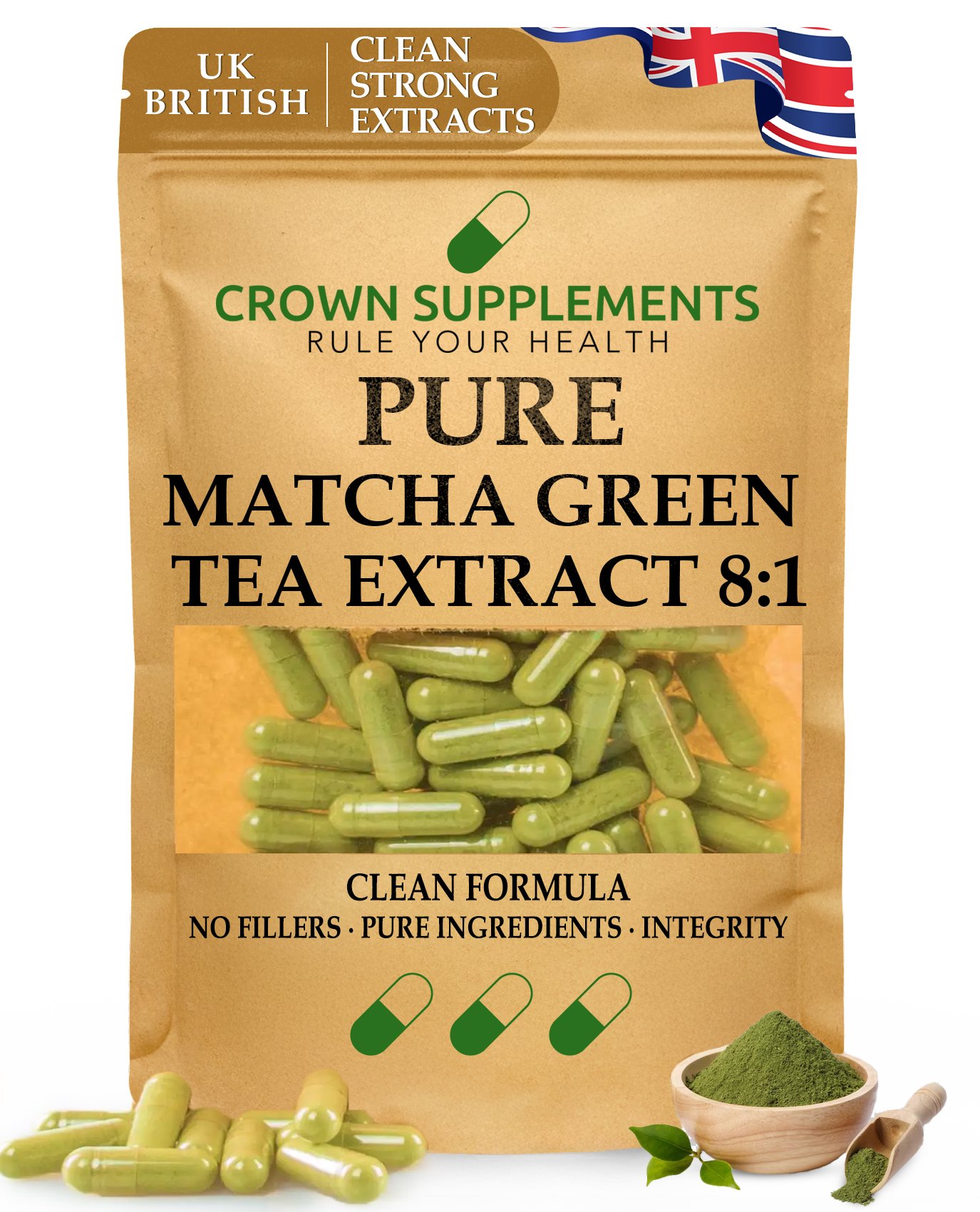


Discover top organic supplements UK to boost health naturally. Explore natural, high-quality products for wellness, detox, muscle support, and more.

Find the best ways to boost energy naturally with the mighty Iron Supplements
Explore how a canine probiotic supplement can enhance your dog’s gut health and overall wellbeing. Perfect for pet lovers seeking natural solutions!

Discover effective herbal remedies for hayfever. Learn about nettle, butterbur, quercetin and more to naturally manage your seasonal allergy symptoms.

Explore bee pollen uk benefits, sourcing, and usage. Learn about potential risks and how to choose quality local British bee pollen.

Explore the potential health benefits, nutrition, risks, and uses of bee pollen pills. Get informed before adding this natural supplement to your routine.