Guide to Low Fibre Diet for Colonoscopy Preparation
Preparing for a colonoscopy can feel daunting. But don’t worry – I’m here to guide you through the process of following a low fibre diet for colonoscopy preparation. This crucial bowel preparation step ensures your colon is clean and ready for examination, making the procedure more effective and comfortable.
Many people feel anxious about colonoscopies, but understanding the pre-colonoscopy diet preparation process can help ease those concerns. A low fibre diet for colonoscopy is a key part of getting ready for this important screening test. It might seem counterintuitive to cut back on fiber when we’re usually told it’s so good for us, but there’s a good reason for this temporary change.
When you reduce fiber intake before a colonoscopy, you’re helping to clear out your digestive system. This gives your doctor the best possible view of your colon lining during the procedure. Think of it like cleaning your house before guests arrive – you want everything tidy and visible.
A low-fiber diet, also known as a low-residue diet, is designed to reduce the amount of undigested food that passes into your large intestine. This is crucial for colonoscopy preparation because it helps clear out your colon, allowing for better visibility during the procedure.
According to the Colorectal Cancer Alliance, you may need to start this diet anywhere from 1 to 5 days before your colonoscopy, depending on your doctor’s instructions. It’s essential to follow these guidelines carefully to ensure the best possible results.
Why is a Low Fibre Diet For Colonoscopy Necessary?
You might be wondering why we need to cut back on fiber, which is usually praised for its health benefits. The reason is simple: fiber is the indigestible part of plant foods/ vegetable juice that adds bulk to our stool. While this is great for regular digestive health, it can interfere with getting a clear view of your colon during a colonoscopy.
Research has shown that there isn’t a universally accepted definition of dietary residue, nor can we precisely estimate the amount of residue in the gut. However, we do know that reducing fiber intake can help minimize the amount of undigested material in your colon, making a low fibre diet for colonoscope recommended.
Benefits of a Low Fibre Diet for Colonoscopy Prep
Following a low-fiber diet for colonoscopy offers several advantages:
Clearer view: By reducing the amount of undigested material in your colon, your doctor can get a better look at the colon lining during the colonoscopy.
Increased comfort: Studies have shown that low-fiber diets can reduce the size and number of stools, potentially making the preparation process more comfortable compared to other methods.
Improved effectiveness: A cleaner colon means a more effective procedure, reducing the likelihood of missed abnormalities.
Reduced prep time: In some cases, following a low-fiber diet may allow for a shorter duration of liquid diet and laxative use before the procedure.
What to Eat on a Low Fibre Diet for Colonoscopy
Now that we understand why a low-fiber colonoscopy diet is important, let’s talk about what you can actually eat on a low-fiber diet. Remember, the goal is to choose foods that are easy to digest and leave minimal residue in your colon. This may involve some solid foods, dried fruit allowed on the low-fiber diet that you don’t typically consume.
Recommended Foods – Spire Healthcare
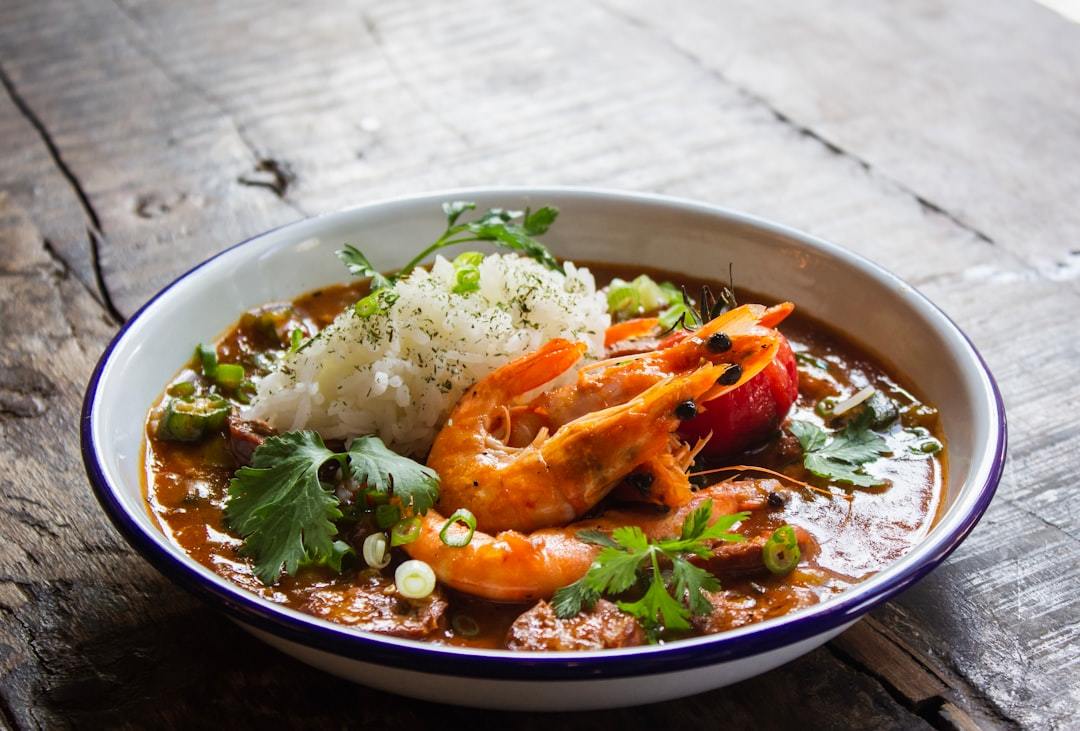
Here’s a list of foods that are generally allowed on a pre-colonoscopy diet spire healthcare, eat foods:
Food Group
Food Allowed
Grains
White bread, white rice, refined pasta, low-fiber cereals (like Rice Krispies or Corn Flakes)
Proteins
Lean meats, fish, eggs, tofu
Dairy
Milk, yogurt (without seeds or fruit pieces), cheese
Fruits
Canned fruits without skin or seeds, ripe bananas, melons
Vegetables
Well-cooked vegetables without seeds or skins (like peeled carrots or potatoes)
Beverages
Water, clear broths, coffee, tea, clear juices without pulp, hot chocolate
Remember, it’s crucial to stay hydrated during this process. The Colorectal Cancer Alliance recommends drinking 8 ounces of water every waking hour in the days leading up to your colonoscopy.
Foods to Avoid Eating – Search Search
Just as important as knowing what to eat is understanding what to avoid. Here are some foods you should steer clear of during your low-fiber diet for colonoscopy:
To help you visualize what a day on a low-fiber diet for colonoscopy might look like, here’s a sample menu:
Breakfast
Two scrambled eggs
One slice of white toast with butter
Half a ripe banana
Cup of black coffee or tea
Lunch
Grilled chicken breast
White rice
Well-cooked, peeled carrots, lima beans
Glass of water or clear apple juice
Dinner
Baked fish
Mashed potatoes (no skin)
Sour Cream
Canned peaches (no syrup)
Glass of water
Snacks
Low-fat yogurt (no seeds or fruit pieces)
White crackers with cheese
Gelatin (not red or purple)
Remember, this is just a sample. Your doctor may provide more specific guidelines based on your individual needs and health conditions.
Tips for Success on a Low-Fiber Diet for Colonoscopy
Following a low-fiber diet for colonoscopy doesn’t have to be a miserable experience. Here are some tips to help you succeed:
Plan ahead: Stock up on allowed foods before starting your prep. This will help you avoid temptation and ensure you have everything you need. You can use this time to explore new recipes within the diet restrictions. For example, try white rice noodles as a substitute for regular noodles.
Stay hydrated: As mentioned earlier, aim to drink 8 ounces of water every waking hour. This helps with the cleansing process and keeps you feeling fuller. Fruit juice without pulp is another way to increase your fluid intake.
Cook vegetables well: If you’re including vegetables, make sure they’re well-cooked and easy to digest. This can help prevent any digestive discomfort.
Avoid red and purple foods: These can stain the colon and interfere with the examination. For example, red jelly or purple gelatin should be avoided.
Follow your doctor’s instructions: They may have specific guidelines based on your individual needs. Make sure to clarify any questions you may have.
Be patient: Remember, this is temporary. You’ll be back to your regular diet soon. Use this as an opportunity to appreciate the importance of a healthy digestive system.
Transitioning to Clear Liquids
As you get closer to your colonoscopy date, you’ll need to transition from a low-fiber diet to clear liquids. According to the National Institute of Diabetes and Digestive and Kidney Diseases , this transition typically happens 1-3 days before your procedure, but always follow your doctor’s specific instructions.
Clear liquids include:
Water
Clear broths
Coffee or tea (without milk or creamer)
Clear juices without pulp (apple, white grape)
Sports drinks (not red or purple)
Gelatin (not red or purple)
This final step ensures your colon is as clean as possible for the procedure.
FAQs about low-fiber diet for colonoscopy
What low-fiber foods can I eat before a colonoscopy?
Before a colonoscopy, you can eat low-fiber foods such as white bread, white rice, refined pasta, lean meats, fish, eggs, well-cooked vegetables without seeds or skins, canned fruits without seeds or skins, and dairy products without added fruit or nuts. Plain pudding, ice cream, and clear strained soup are additional options to consider. Always follow your doctor’s specific instructions, as they may vary based on individual needs.
What foods can you eat 2 days before a colonoscopy?
Two days before a colonoscopy, you should continue with the low-fiber diet. This includes foods like white toast, eggs, lean meats, fish, white pasta, white rice, well-cooked and peeled vegetables, and canned fruits without seeds or skins. Plain biscuits, such as rich tea biscuits, are typically allowed. Avoid whole grains, raw fruits and vegetables, nuts, seeds, chunky nut butter, and high-fiber cereals. Your doctor may provide more specific guidelines, so always follow their instructions.
What is the diet 3 days before a colonoscopy?
Three days before a colonoscopy, you’ll typically start a low-fiber diet. This means avoiding high-fiber foods like whole grains, raw fruits and vegetables, nuts, and seeds. Instead, focus on easy-to-digest foods such as white bread, white rice, lean meats, eggs, well-cooked and peeled vegetables, and canned fruits without seeds. Avoid foods like brown rice, asparagus tips, winter squash, lentil soup, and brussels sprouts as they are high in fiber. However, the exact timeline can vary, so it’s crucial to follow your doctor’s specific instructions for your colonoscopy preparation.
Can I eat crisps 2 days before a colonoscopy?
It’s generally best to avoid crisps (potato chips) and fizzy drinks/ clear jelly in the days leading up to a colonoscopy. While they’re low in fiber, they’re often high in fat which can be harder to digest. Additionally, some varieties may contain seeds or seasonings that could interfere with the colonoscopy. Stick to the foods recommended by your doctor for the best preparation. If you’re unsure about a specific food, it’s always best to ask your healthcare provider.
Conclusion
Preparing for a colonoscopy with a low fibre diet for colonoscopy might seem challenging at first, but it’s a crucial step in ensuring a successful procedure. By following these guidelines and working closely with your healthcare provider, you can make the process as smooth and comfortable as possible.
Remember, a low-fiber diet for colonoscopy is temporary. The benefits of a clear, thorough examination far outweigh the brief dietary restrictions. It’s all about giving your doctor the best possible view of your colon to catch any potential issues early.
As someone who’s been through this process, I can assure you that it’s manageable with the right preparation and mindset. And the peace of mind that comes from a successful screening is invaluable. So, take a deep breath, stock up on those low-fiber foods, and know that you’re taking an important step for your health.
Explore the potential health benefits, nutrition, risks, and uses of bee pollen pills. Get informed before adding this natural supplement to your routine.
We respect your privacy! You can control which cookies you allow on our site to ensure you get the best experience
Functional
Always active
The technical storage or access is strictly necessary for the legitimate purpose of enabling the use of a specific service explicitly requested by the subscriber or user, or for the sole purpose of carrying out the transmission of a communication over an electronic communications network.
Preferences
The technical storage or access is necessary for the legitimate purpose of storing preferences that are not requested by the subscriber or user.
Statistics
The technical storage or access that is used exclusively for statistical purposes.The technical storage or access that is used exclusively for anonymous statistical purposes. Without a subpoena, voluntary compliance on the part of your Internet Service Provider, or additional records from a third party, information stored or retrieved for this purpose alone cannot usually be used to identify you.
Marketing
The technical storage or access is required to create user profiles to send advertising, or to track the user on a website or across several websites for similar marketing purposes.


 Skip to content