


Supplement Buying Guides

Top Organic Supplements in the UK That Really Work
Discover top organic supplements UK to boost health naturally. Explore natural, high-quality products for wellness, detox, muscle support, and more.
 Skip to content
 Many people believe that achieving a powerful chest requires a gym membership and lots of equipment. However, you can do a highly effective chest workout at home using just your body weight or basic equipment. Whether you’re a seasoned fitness enthusiast or a complete beginner, a chest workout at home is within your reach. We’ve compiled numerous exercises that are sure to benefit you greatly.
The chest muscles, primarily the pectoralis major and minor, are crucial for various upper body movements. Strengthening them isn’t just for aesthetics. A well-structured chest workout at home improves posture and enhances upper body strength, making daily tasks easier. Strong chest muscles contribute to overall stability, reducing the risk of injuries and boosting confidence in physical activities. Whether you’re using weights or bodyweight, a chest workout at home can be just as effective as training in a gym.
Before getting into exercises, let’s familiarize ourselves with the key players. The pectoralis major is the large, fan-shaped muscle covering most of your chest, working the upper, middle, and lower regions. Beneath it lies the pectoralis minor, a smaller, triangular muscle. This muscle plays a crucial role in shoulder movement and stabilization. A targeted chest workout at home should engage both muscles effectively to promote balanced development and strength. Incorporating exercises that focus on both the upper and lower chest ensures comprehensive muscle activation in your chest workout at home.
No equipment? No problem. A chest workout at home can be incredibly effective for building chest strength and size, especially when starting. These foundational movements use your body weight as resistance, providing a challenging and accessible workout. Push-ups, dips, and other bodyweight variations are great additions to your chest workout at home. Consistently incorporating bodyweight exercises ensures steady progress and muscle engagement.
The classic push-up is a fundamental exercise in any chest workout at home. It effectively engages the chest, shoulders, and triceps, making proper form essential for maximum benefit. To perform a push-up correctly, start by lying face down with your hands shoulder-width apart and fingers pointing forward. Keep your body in a straight line from head to heels, engaging your core throughout the movement. Lower your chest toward the floor by bending your elbows, then push back up to the starting position. Research shows that incorporating different push-up variations into your chest workout at home enhances muscle activation and overall strength.
Incline push-ups shift the emphasis to the upper portion of your pectoralis major. To get the most out of your incline, perform your chest workout at an incline. All you need is a sturdy elevated surface like a bench or chair. Place your hands on the elevated surface, slightly wider than shoulder-width apart, to focus on your
⚠
Highly likely to be human.
You’re all set! This content reads as if it is human-written.upper chest
. Perform the push-up motion, lowering your chest towards the surface. These variations work the same muscles, but elevating the
upper chest
concentrates the work on that region.
Decline push-ups are an effective addition to chest workouts, specifically targeting the upper chest region. To perform this
upper chest workout
, elevate your feet on a stable surface while keeping your hands on the floor. Maintain a straight body line as you lower your body and push back up. This movement places more emphasis on the upper chest muscles, helping to build strength and definition. Studies show that incorporating decline push-ups into your routine enhances upper chest muscles activation, contributing to better overall chest development.
Diamond push-ups, a more challenging variation, involve bringing your hands close together. Form a diamond shape with your thumbs and index fingers below your chest. This placement increases the activation of the inner chest and triceps. Lower your chest towards the diamond and push back up. Start with fewer reps to achieve proper form for diamond push-ups .
Plyometric push-ups are a higher-intensity exercise. They are ideal for building explosive power and benefit your sports performance. Start in a standard push-up position. As you push up, exert enough force to lift your hands off the floor. You can even add a clap in mid-air for an extra challenge. Land softly and immediately lower into the next rep, being mindful of your wrists to avoid injury.
Wide-grip push-ups increase the overall activation of the pectoral muscles. They also slightly engage other muscles. Place your hands wider than shoulder-width apart and perform the standard push-up motion. Keep your chest down and back upwards for a solid position. These are beneficial for overall body strength.
Start in the basic push-up position, with your hands spaced a decent width apart. Your neck, heels, and leg must all be aligned. When lowering, ensure you are only 2 inches above the floor. For a good foundation for push-ups, check out this chest workout example. Single Leg Push-Ups are a great upper body strength exercise.
If you have dumbbells, they can add another dimension to your home chest workouts. Dumbbells provide more controlled and heavier resistance, making them perfect for your upper chest workout. They help activate stabilizing muscles, ensuring balanced development. Incorporating dumbbells into your chest workouts can also assist in gaining upper body strength and improving overall muscle definition. They can also assist in gaining upper body strength .
Lie on a flat bench or the floor with your feet firmly planted. Hold a dumbbell in each hand, palms facing forward. Slowly lower the dumbbells towards your chest, keeping your elbows slightly bent. This exercise strengthens and defines muscles. Pause briefly, then press the dumbbells back up. The bench press can easily be executed from the comfort of your own home.
Lie on a bench or floor, holding dumbbells above your chest with slightly bent arms. Different surface variations work these muscles when using dumbbell flyes. Lower the weights out to your sides in an arc motion, feeling a stretch in your chest. Focus on slow and controlled movements, concentrating on the muscle you should feel burning. Bring the dumbbells back together above your chest, squeezing your pecs. It’s crucial to avoid haste to prevent muscle injuries.
Lie on a bench with your feet flat on the floor. Dumbbells are excellent for pullovers as they are the perfect size and allow for more muscle growth. Hold a single dumbbell with both hands above your chest, arms extended. Many also use other muscle groups along with the chest, such as the lats and triceps. Lower the weight back over your head in an arc, keeping a slight bend in your elbows. Choose a weight you feel comfortable pulling over to avoid it being too easy or too hard.
Here is a table outlining recommended dumbbell weights and bench angles (for adjustable benches) to target different areas of the chest during a workout:
| Chest Area | Bench Angle | Recommended Dumbbell Weight (Per Dumbbell) | Notes |
|---|---|---|---|
| Upper Chest | 30-45 degrees incline | Beginner: 5-10 kg (11-22 lbs) Intermediate: 10-15 kg (22-33 lbs) Advanced: 15+ kg (33+ lbs) | Focus on controlled movements and proper form to effectively target the upper pectoral muscles. |
| Middle Chest | Flat (0 degrees) | Beginner: 7.5-12.5 kg (16.5-27.5 lbs) Intermediate: 12.5-17.5 kg (27.5-38.5 lbs) Advanced: 17.5+ kg (38.5+ lbs) | Maintain a stable position on the bench, engaging the core to maximise results. |
| Lower Chest | 15-30 degrees decline | Beginner: 5-10 kg (11-22 lbs) Intermediate: 10-15 kg (22-33 lbs) Advanced: 15+ kg (33+ lbs) | Adjust the decline angle cautiously. Beginners should avoid excessive decline to maintain an even base for exercises, ensuring proper muscle engagement. |
To continue seeing results, you need to vary the level of difficulty and muscle usage. Below are some techniques to enhance muscle stimulation and maximise gains in strength. Adding these advanced chest exercises is great for body strength .
Increasing the time your muscles spend under tension during an exercise is great for hypertrophy. Some individuals prefer high weight with low Time Under Tension (TUT). Slow down the eccentric (lowering) phase of each rep. Aim for pauses at the bottom for enhanced chest pumps and strength improvement. For example, take 3-4 seconds to lower the weight during a dumbbell press, hold for a second at the bottom, and then push back up normally. You should aim for a 2-second hold.
Isometric holds involve maintaining a specific position for a set period. People have commonly found great benefits from including isometrics in their workout at home . Incorporate these by holding the bottom position of a push-up for 10-15 seconds. Feeling a burn? Isometric holds are one of the best chest exercises.
Supersets involve performing two exercises back-to-back without rest. If you want to improve your workout, try using the Superset or the Drop Set. Combine a push-up variation with a dumbbell fly. This may take some getting used to. Drop sets involve performing an exercise to fatigue, then immediately reducing the weight (or difficulty) and continuing to fatigue again. Take each set to failure and challenge your limits for further results.
Creating a well-rounded routine is essential for balanced chest development. Remember to have consistent rest times and routine changes for improvements in fitness.
Before you begin any exercises, start with dynamic movements. Doing a warm-up prepares the muscles and improves mobility. Include arm circles, shoulder rotations, and light cardio like jogging. Warming up is crucial to avoid workout-related accidents and allows for a more intense workout. Astudy published in the *British Journal of Sports Medicine* has shown greater strength with higher-power dynamic warm-ups. These will provide health benefits as well.
Aim to train your chest 2-3 times per week, allowing for adequate rest between sessions. When starting, focus more on technique to maximise proper growth. For bodyweight exercises, aim for 3-4 sets of as many reps as possible (AMRAP) with good form. You can incorporate bodyweight exercises with free weights to create a more beneficial workout for building up your chest. With dumbbells, use a weight that allows you to complete 6-12 reps per set for 3-4 sets. As this routine progresses, continue adding reps and sets. Studies also show rest periods of 60 to 90 seconds are beneficial.Adding more sets facilitates progressive overload.
Here are a few routine templates covering beginner chest development, advanced muscle gain, and resistance bands.
Beginner Chest Workout
Intermediate/Advanced Chest Workout
Workout with Only Resistance Bands
To see ongoing results, you should challenge your fitness level at higher intensities. This includes heavier weights, harder reps, or any other slight alteration. If you’re doing push-ups, try elevating your feet higher. Focus on using TUT with an explosive set. With dumbbells, increase the weight as you get stronger. Concentrate on using heavier resistance to maximise strength gains.
Maintaining good form throughout your exercises is not optional but a critical routine for your fitness growth. Proper form not only maximises the benefit of your exercise but also minimises the risk of unwanted body pains. Keep your core engaged, back straight, and movements controlled. Proper form ensures less tension on muscles, increasing body mobility. Avoid rushing through reps or compromising form to lift heavier weights. The risk to the body from these workouts could have devastating impacts and permanent physical problems. Prioritizing your mental health goes hand in hand with exercise
No exercise will result in drastic growth or change unless a balanced and solid foundation is met through nutrition. Here are some of the more essential elements:
Adequate protein intake is crucial for muscle repair and growth. It is more important than one might think to look for high protein foods . Aim for a daily intake of 0.8-1 gram of protein per pound of body weight. Studies have shown its effect on aiding muscle growth. Good protein sources include lean meats, poultry, fish, eggs, dairy, legumes, and tofu. Prioritise a nutritional intake that supplements protein to maximise growth in your workout at home . Plant based sources are also great healthy options.
Carbohydrates are your primary fuel source for workouts, providing great power to hit higher reps, more weight, and any other variations. Ensure you have a balanced intake of high-carb and good-carb foods to optimise your gains. Choose complex carbs like whole grains, fruits, and vegetables. Focusing on the benefits that a diet will add to your workouts often goes unnoticed, but it is equally, if not more, important.
Healthy fats, like avocados, nuts, and olive oil, support hormone production and overall health. Nutrition is half the battle to becoming a well-toned athlete, so give it the necessary attention. Don’t forget your intake of carbs should always match up to the workout or load you plan.
Training your chest at home can be achieved by doing a mix of push-ups. Many start with basic push-ups before progressing to more difficult variations like Decline Push-Ups, Diamond Push-Ups, etc. Also include exercises like the incline push-up.
Building a chest is highly possible without using free weights. All one needs is their body. Using techniques mentioned previously, you will surely reach your desired growth with bodyweight exercises. There are also other chest exercises.
For most beginners, it will be. However, for advanced training, some might say it’s not. With an even split for the chest, including at least 7 exercises, growth is ensured. You can also include multiple different workouts with those 7 that all benefit the chest as well.
Your best bet for growing fast and safely is always a gradual path to gaining chest definition. Focusing on technique and nutritional goals for growth are factors to consider when doing a chest exercise. Be sure to focus on health benefits .
An effective and rewarding chest workout at home is easily attainable with the knowledge above, consistency, and a willingness to push your training limits. Whether you choose bodyweight exercises, incorporate dumbbells, or try a resistance workout, a well-structured chest workout at home will lead to noticeable results over time. Be patient and prioritize healthy nutrition. Incorporating essential tips like maintaining a balanced diet and using nutritional supplements can enhance muscle growth.
Emphasize proper form over quantity to maximize the benefits of your chest workout at home and achieve a well-developed chest. To support recovery and strength, consider iron supplements and high carb foods that provide sustained energy. Additionally, focusing on natural ways to boost production of muscle-building hormones can further improve your results. Remember to listen to your body, adjust your routine as needed, and most importantly, stay mentally strong. With dedication, your chest workout at home will transform your physique and strength.
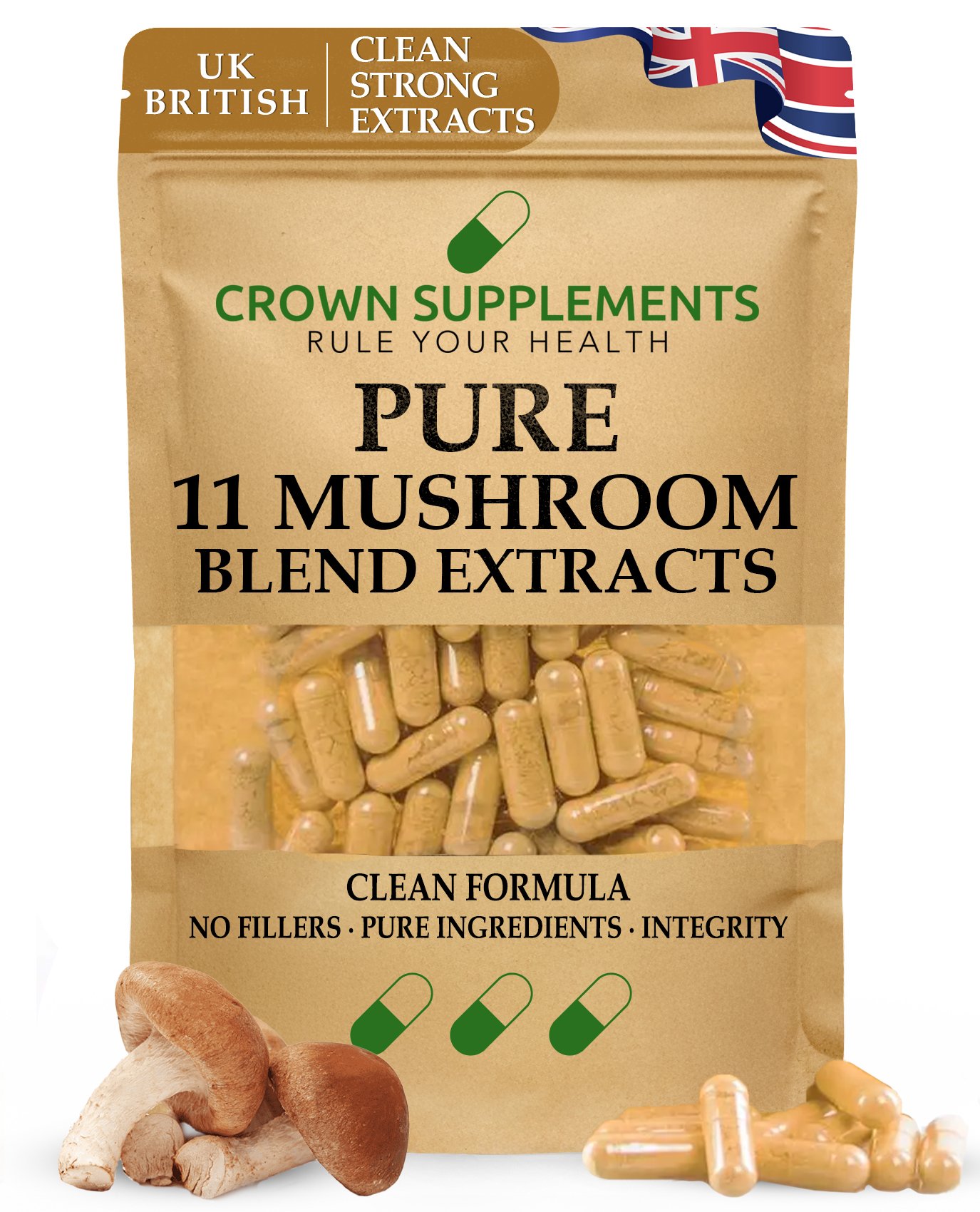
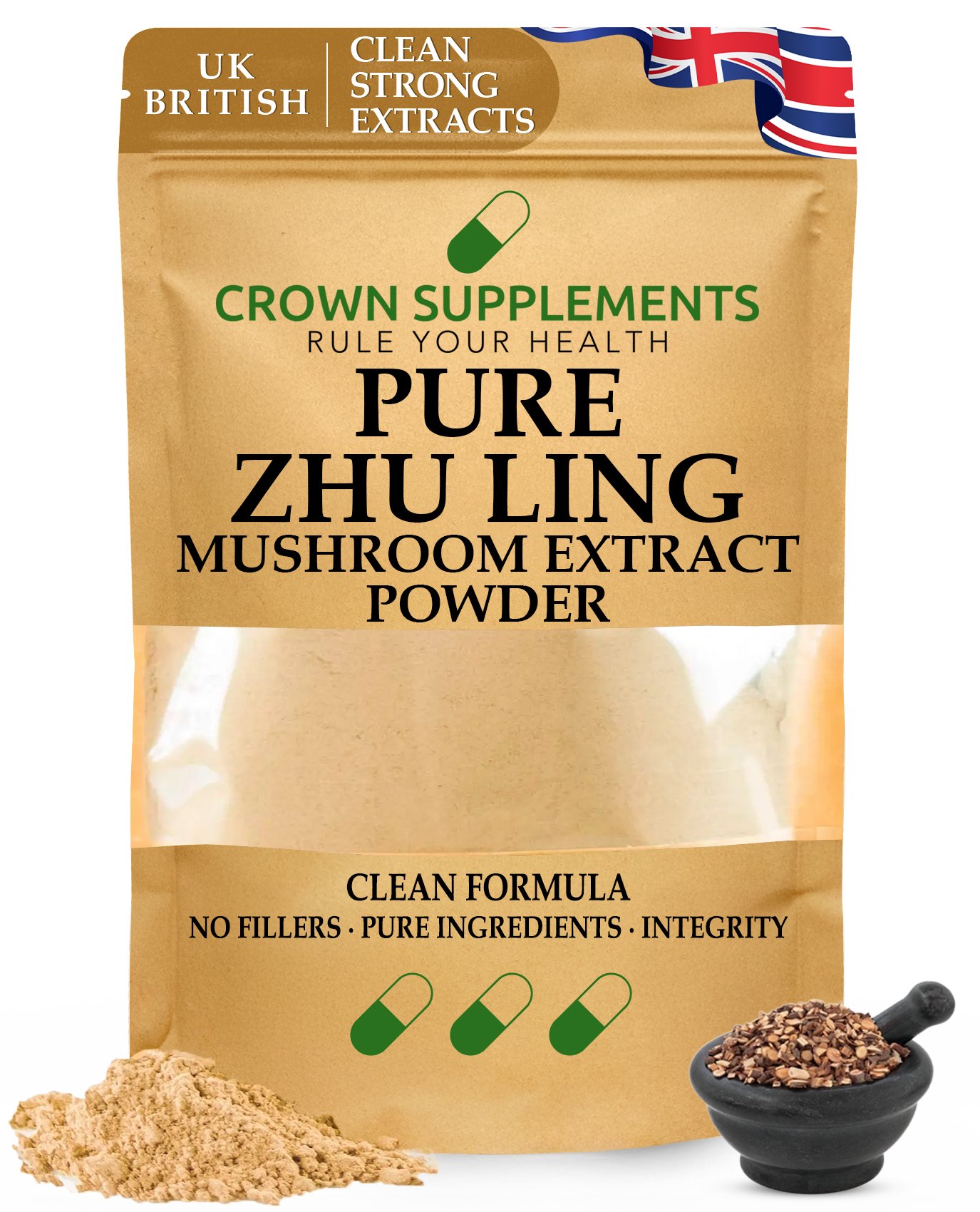
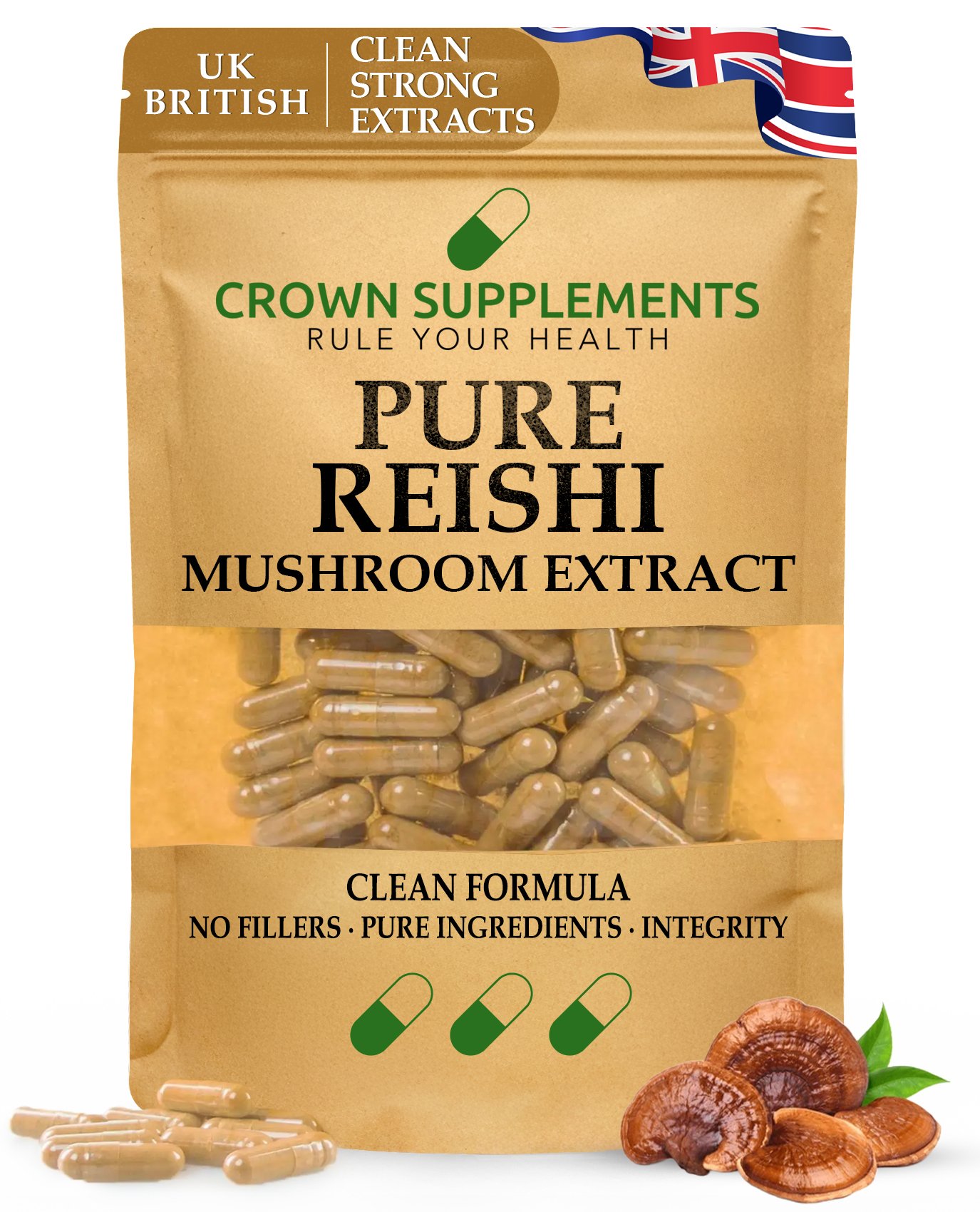
Discover top organic supplements UK to boost health naturally. Explore natural, high-quality products for wellness, detox, muscle support, and more.

Find the best ways to boost energy naturally with the mighty Iron Supplements

Explore how a canine probiotic supplement can enhance your dog’s gut health and overall wellbeing. Perfect for pet lovers seeking natural solutions!

Discover effective herbal remedies for hayfever. Learn about nettle, butterbur, quercetin and more to naturally manage your seasonal allergy symptoms.

Explore bee pollen uk benefits, sourcing, and usage. Learn about potential risks and how to choose quality local British bee pollen.

Explore the potential health benefits, nutrition, risks, and uses of bee pollen pills. Get informed before adding this natural supplement to your routine.