



Supplement Buying Guides

Top Organic Supplements in the UK That Really Work
Discover top organic supplements UK to boost health naturally. Explore natural, high-quality products for wellness, detox, muscle support, and more.
 Skip to content
 You might have seen countless skincare influencers promoting the benefits of vitamin C serum. This might get some folks feeling a little left out if they don’t know what it is. Don’t worry; you aren’t alone. It’s one of those things people are sometimes embarrassed to ask about. We will address all your concerns with vitamin C serum.
Vitamin C serum is a skincare powerhouse. Known scientifically as ascorbic acid, it’s an antioxidant that works wonders for your skin. However, don’t be concerned with the complex terms. The main purpose is that the antioxidant in vitamin C serum fights those pesky free radicals. Regular use of vitamin C serum can help maintain a brighter, healthier complexion. You’ll learn what that actually means and more, below.
Free radicals are unstable molecules. Think of them as rogue agents that damage skin cells, and they can arise from normal bodily functions like metabolism or external elements like pollution. They cause premature ageing and a lacklustre appearance. Vitamin C serum helps protect and maintain healthy skin by neutralising these free radicals. Using vitamin C serum regularly can help your skin stay resilient against environmental stressors.
Vitamin C is well known for its ability to boost collagen, a vital protein. You have probably heard of “collagen” in a variety of contexts. It provides you with some essential structural framework that keeps our skin firm. Numerous clinical trials back up the age-old claims. These benefits were visible after just three months with the use of a daily vitamin C serum formulation. Consistent use of vitamin C serum leads to some impressive benefits, such as a diminished appearance of wrinkles and fine lines, along with an overall improvement in skin texture.
As we mentioned before, vitamin C serum has earned a well-deserved title as the “Holy Grail of skincare products.” Vitamin C serum helps a range of different aspects. The most famous one, that most already know, is its ability to give the skin a healthy, youthful radiance. It’s important to pick vitamin C serum wisely. Selecting quality products might just lead to improved results overall.
One of the key powers of Vitamin C is making you shine and radiate youthfulness. It blocks the production of melanin, which can make you feel worse about your complexion. If melanin does what it wants, it can lead to dark spots.
This, of course, then has you buying make-up that covers up your face. We would like to share the opposite of that, so your natural self feels comfortable showing off your natural skin. The results of inhibiting melanin production can create a brighter, more even skin tone.
We covered a bit of the scientific nature and its relation to ageing skin a moment ago. Collagen has been called that “structural framework” because of its elastic support in skin and its firmness. Collagen production starts to wind down as you grow older.
That natural winding down will naturally result in some of those natural elements such as ageing, wrinkles, and fine lines. Applying Vitamin C regularly will get your body feeling good and kicking back in, supporting it.
One little-talked-about point that vitamin C impacts is its anti-inflammatory properties. When we deal with acne, inflammation and healing are very crucial in preventing those annoying blemishes from lingering.
Applying vitamin C on those wounds will give those bad atoms something to do without them disrupting you. Vitamin C can also help to fade acne scars over time, leading to clearer skin.
One little-known, but often researched and discussed, point of interest on vitamin C products is its formulation. There are many other types of vitamin C products. The trick here, though, is that these products’ “effects in the skin” get changed.
What makes serums specifically, better? Serums give higher attention, and the active part penetrates into your skin better, making “Vitamin C Serums” stand out. They often work a lot just like Vitamin C pills for helping you feel and look better with healthy-looking skin.
It is not good enough just having your local product on hand, hoping this might get the job done. While a good general product can do something positive for your skin and overall appearance, having the ideal product just elevates the experience. When people buy a product that works for “every skin”, they’re just rolling the dice for a minimal outcome.
A great result occurs by understanding the nuances of vitamin C serum and finding the ideal one for you..
Not every Vitamin C product is designed the same; it turns out that there are different forms of the thing itself. Let’s review a few different key kinds of vitamin C found in Serums to determine which might just be “the one”:
L-Ascorbic Acid (L-Ascorbic acid): This is the most potent form of Vitamin C, known for its effectiveness in collagen synthesis and reducing hyperpigmentation. However, this can cause some skin irritation. This might be something you have to “warm up to”, and certainly use at the end if other choices did not work well for you.
Ascorbyl Palmitate: Less potent than L-Ascorbic Acid. But don’t let “less potent” scare you off; sometimes, we want more of a balance in results and long-term satisfaction. The greatest aspect is, while it is “less potent”, it’s generally more stable.
Sodium Ascorbyl Phosphate: Sodium ascorbyl phosphate has great benefits like the other acids; however, it’s generally known as better suited for those with acne-prone skin. So if that relates to you, definitely pick up something with “Sodium”.
Another form is called Magnesium Ascorbyl Phosphate, this is water-soluble and better for hydrating skin.
There’s also, Tetrahexyldecyl Ascorbate. Which is a newer more stable, oil-soluble form of vitamin c that penetrates the skin, reduces melanin production, and support collagen production.
Another aspect of Vitamin C is beyond our ability to help with directly. There are both Synthetic and Natural Sources of Vitamin C. Brillare’s “Natural” Vitamin C is extracted through something called enzymatic technology, resulting in about a 10% vitamin C “purity” ratio, which also happens to be an ideal balance.
A key point when buying your vitamin C involves focusing on its actual percentage amount of Vitamin C. Starting small helps here; even about 5% is a start, don’t rush yourself; let the Vitamin do its job.
You can slowly and gently increase the percentage as your body feels comfortable with it. Over time, it is safe to even have Serums that go up to 20%.
The type, percentage, and form of the Vitamin C serum’s actual content can make or break things. We suggest that if your choice does have l-ascorbic acid, you have an airtight container without sunlight. Opaque, airtight containers that are a nice fit give you maximum protection with use for potency.
Knowing how vitamin C serums are formulated is crucial to getting the proper value with long-term benefits. We will share a summary of common concerns below.
Here’s a quick guide on matching the product with your overall profile:
Knowing which vitamin C serum might work for your skin might make you question product ingredients. You also might be curious about how those ingredients affect how skin reacts. If the item has ascorbic acid in it, generally, the source for Vitamin C itself comes from a pure state.
Pay close attention to the ingredient list. Make sure you are aware of your skin issues before choosing.
As stated before, ensure you have an opaque container to minimise damage to the vitamin C when exposed to sun rays and air.
As always with skin-related routines, following guidance or steps correctly allows those nutrients to do their job and have the best results. Correct application will have the best serum benefits.
When you’re seeking best performance, when to apply vitamin C serum is also crucial . The common result might point out that it “can be applied at both”, depending on what a user finds useful, morning/evening, for general purposes.
Applying vitamin C serum in the morning is preferable for some, for that is when it helps fights off UV rays and combats damage from it.
Those with more sensitive skin should start slower and build from that.
In terms of vitamin C, to go with a full solution, we must understand how “complimentary” Vitamin C is as it stands. A good skincare routine is key.
Some example things you can stack alongside it would be Hyaluronic acid and the antioxidant elements. This will allow your vitamin C to help make it a full hydration benefit. Another, called Niacinamide, brings even additional enhancements beyond.
It can go further, with vitamin C and alpha arbutin giving your skin and overall health support against any of those unwanted pigmentation elements. Having arbutin on board first, allowing you to properly get value before bringing Vitamin C on deck, will do wonders here. Using a gentle cleanser at the start is always advised.
We’re aiming to add things to Vitamin C, rather than make things difficult for Vitamin C, and you, overall. Do not combine things that contain salicylic acid to avoid skin irritation.
Here are key combos we do *NOT* recommend combining:
Don’t combine retinol products with Vitamin C Serum. When in doubt, try not combining both during the morning or both during the night, alternating days and hours here. We wish to allow each “thing” to get attention during that particular routine of day or night. Also, be mindful of Niacinamide percentages, as it can potentially upset you.
This simple HTML table lists the name, type, special, and Price in a simple format.:
| Brand Name of Serum | Serum “Focus” | Notes Worth Noting | £Price |
|---|---|---|---|
| Medik8 C-tetra luxe | “Best overall” | Good balanced Vitamin C. | £31 |
| Bondi Sands gold’n hour vitamin C serum | Best if you are on a budget | Great quality, for an inexpensive budget. | £9 |
| Nip + Fab vitamin C fix concentrate extreme | Smells Good. | The smell of citrus. | £18 |
| RoC multi correxion revive and glow capsules | Easy Application | Capsules that do the trick. | £28 |
| Omorovicza daily vitamin C | High Price | Costs a bit more, quality serum | £102 |
| Olay vitamin C + AHA 24 day gel serum for bright and even tone | Fights dark spots | Can improve radiance. | £38 |
| SkinCeuticals C E ferulic acid antioxidant vitamin C serum for normal/dry skin | High performance. | It has a potent antioxidant effect and goes the “extra mile” well. | £134 |
| Trinny London boost up | Highest Potency | Packed with 30 per cent vitamin C | £69 |
| Aesop lucent facial concentrate | Most Balanced | Solid choice for daily use. | £95 |
| Ole Henriksen banana bright vitamin C serum | Most Radiance Boosted | Helps support natural radiance. | £58 |
| Simple booster serum 10% vitamin C+E+F | Just Starting out | An amazing solid choice to learn the value of Vitamin C Serums. | £9 |
| La Roche-Posay pure vitamin C10 serum for sensitive skin | Those With a Lot of Sensitivity. | Ideal for people with acne. | £45 |
| The Inkey List vitamin C serum | Most Suited for Dryness. | Ideal against dryness and can help support the skin’s moisture level. | £8 |
Vitamin C serum can provide a bunch of help for your face. Its main focus on providing brightness for the complexion is top priority. This would involve fading any of those pesky, dark spots or uneven skin tone that have been driving you mad.
It also, protects the skin from sun damage by countering those free radicals. All in all, expect a more brighter complexion overall.
In most scenarios, using Vitamin C serum daily should get the ideal, consistent routine. It could lead to beneficial and consistent impact with skin care.
Be very patient when starting this off for first-timers. Especially sensitive skin folks, who could require you, at times, to slowly, gradually add to their routine so your body gets along with the plan steadily.
Always use broad-spectrum sunscreen for additional protection and maximum impact with your routine.
No clear answer exists, as things stand today. Focus less on “the one that beats all of them”.
If you are new to using vitamin C serums, find one that works for a while. Then start to feel and know its quality before you look at the other stuff.
With time, experiment with vitamin C serum products to further specialise the serum that might bring something even better.
The debate between two great skin care elements gets more complex when asking, “which is better?” Focus more on choosing what meets your goals rather than fixating on “which is more awesome?
Consider them both as allies in an overall, proper skin care routine. Each has its unique benefits, so picking the best one requires a deep analysis of your goals. If you have acne-prone skin, you might look for skin products that help balance oil production and prevent breakouts. Meanwhile, those with dehydrated skin should prioritize hydration-boosting skin active ingredients.
If your focus is on reducing visible signs of aging or achieving skin whitening, you may want to incorporate vitamin-rich formulations into your routine. Additionally, maintaining digestive health can play an important role in how your skin appears, making a holistic approach beneficial.
People really are unique; what is shared today won’t fit all walks of life perfectly. Finding out about a subject is better when there are things to mix and match that give value. Getting used to a vitamin C serum can feel challenging without context or insights. You should make a few choices to “build comfort”. Your journey starts with understanding which elements stand out with Vitamin C, and an “everyday routine” will come along with your comfort after time. You can look forward to your skin benefits with a bit of work and attention to detail. Enjoy feeling your “full potential” with yourself, all thanks to vitamin C serum.

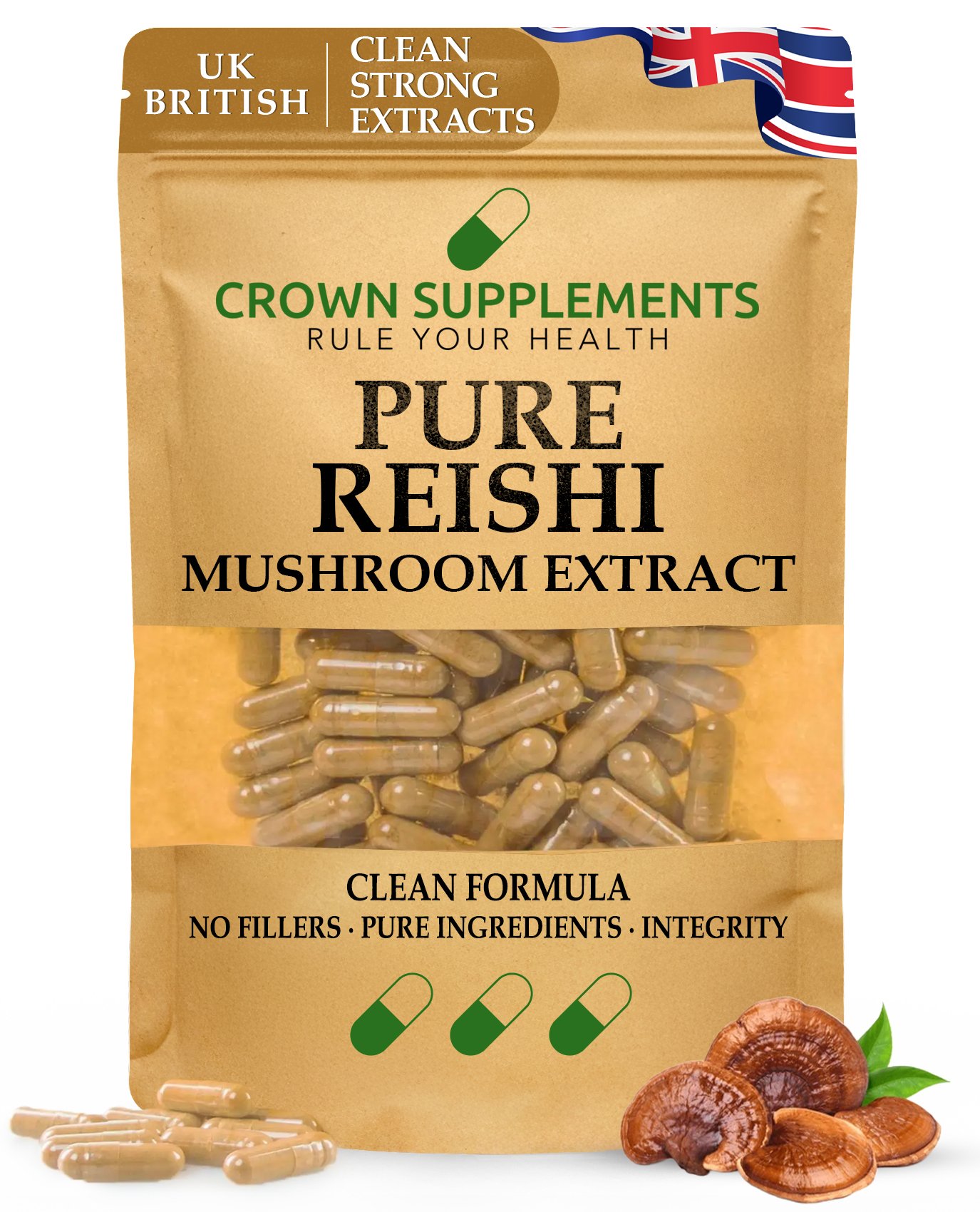

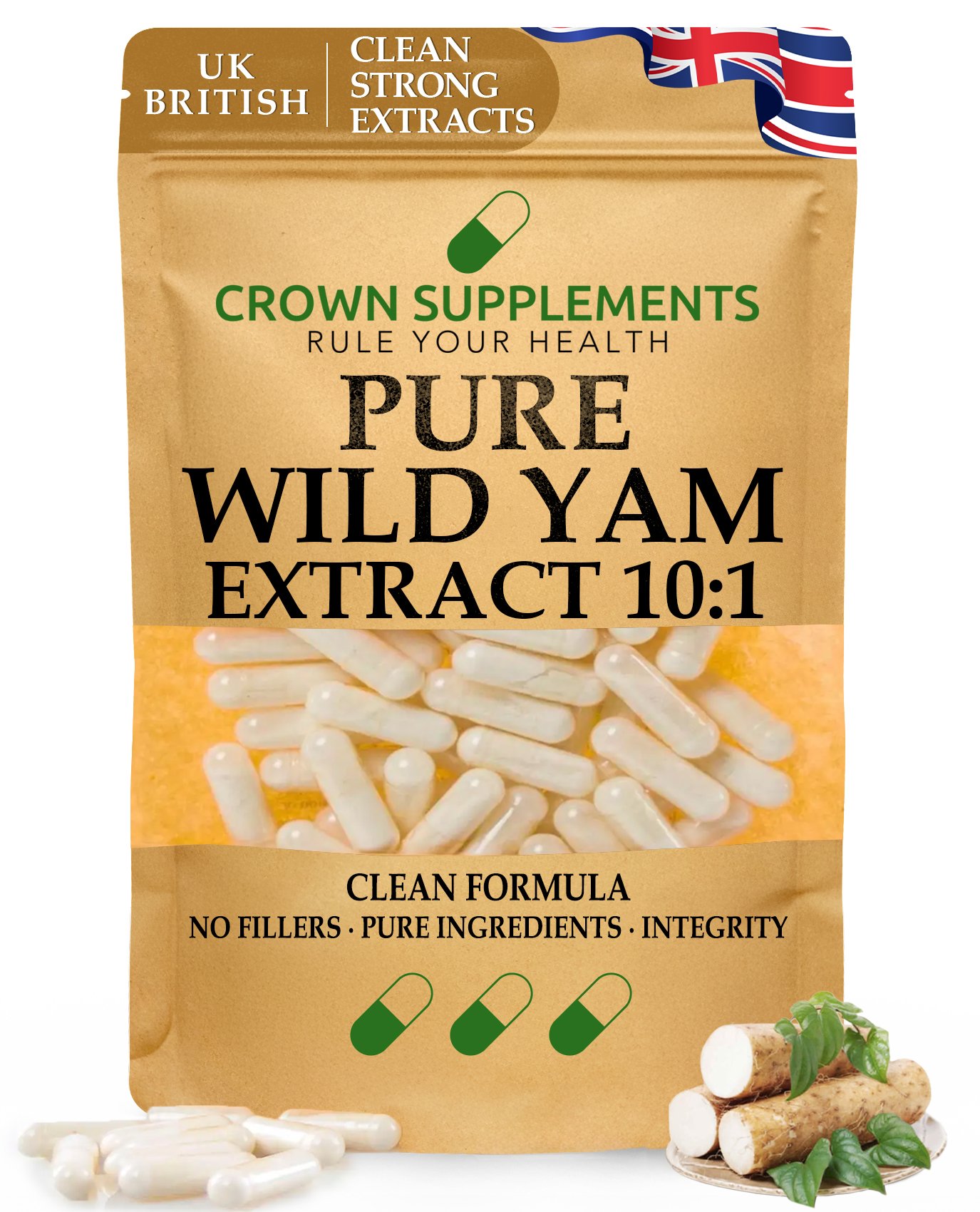
Discover top organic supplements UK to boost health naturally. Explore natural, high-quality products for wellness, detox, muscle support, and more.

Find the best ways to boost energy naturally with the mighty Iron Supplements
Explore how a canine probiotic supplement can enhance your dog’s gut health and overall wellbeing. Perfect for pet lovers seeking natural solutions!

Discover effective herbal remedies for hayfever. Learn about nettle, butterbur, quercetin and more to naturally manage your seasonal allergy symptoms.

Explore bee pollen uk benefits, sourcing, and usage. Learn about potential risks and how to choose quality local British bee pollen.

Explore the potential health benefits, nutrition, risks, and uses of bee pollen pills. Get informed before adding this natural supplement to your routine.