



Supplement Buying Guides

Top Organic Supplements in the UK That Really Work
Discover top organic supplements UK to boost health naturally. Explore natural, high-quality products for wellness, detox, muscle support, and more.
 Skip to content
 Hair care routines can seem overwhelming with so many products and so much advice available. But your hair deserves the same care and attention as your skin. A good hair care routine isn’t about following trends; it’s about understanding your hair type and giving it what it needs. Whether you’re dealing with frizz, dryness, or just want healthy locks, a solid hair care routine is vital. Let’s explore hair care routines and find out how to achieve your best hair.
Before crafting your hair care routine, you need to understand your hair. Hair types vary, and what works for a friend’s curls might not suit your straight, fine hair. Consider factors like texture, scalp health, and porosity. A well-planned hair care routine tailored to your specific needs will help keep your hair healthy and strong.
Hair texture falls into four main categories:
Variations in thickness and density exist within these. Some have fine, thin hair, while others have thick, coarse strands. Knowing your hair’s texture is essential for choosing products and techniques for your hair care routine. A well-structured hair care routine ensures your hair gets the right nourishment and treatment for its unique needs. Whether you’re tackling specific hair concerns like hair fall, maintaining hair color, or looking for a simple hair regimen, the right products matter. Incorporating hair oil into your daily haircare routine can improve scalp health and promote growth. Just like skin care, a consistent daily haircare plan can help address specific hair needs effectively.
Your scalp is where healthy hair growth begins. Is it dry and flaky, or oily? A balanced scalp is important for a good hair care routine. The skin on your scalp renews itself about every 28 days, so regular care is essential, similar to skincare. You might consider using products that remove dead skin cells and promote healthy skin cells. A consistent hair care routine will keep your scalp and hair in optimal condition.
Porosity is your hair’s ability to absorb and retain moisture. Do a simple test:
This will help you choose products and techniques.
Now, let’s break down the basic haircare routine steps that work for most.
Cleansing removes dirt, oil, and product buildup. But don’t strip your hair of its natural oils.
Here’s how to do it right.
Conditioning maintains moisture and prevents breakage. Apply from mid-length to ends, avoiding the scalp unless your hair is very dry.
Here’s how to get the most out of this step:
Wet hair breaks easily, so be gentle. Use a wide-tooth comb or detangling brush.
How you dry your hair impacts its health. Squeeze out water with a microfibre towel or t-shirt.
Avoid rubbing, which causes frizz and breakage. If using a blow dry, apply a heat protectant and use low heat.
Once you’ve mastered the basics, try these advanced techniques.
Pre-shampoo, or “pre-poo,” can make a difference. Apply oil (coconut or argan) before shampooing to protect from over-cleansing.
These treatments can also add extra hydration to dry hair. Here is how pre-poo is most effective:
A healthy scalp means healthy hair growth. Use a scalp scrub weekly to remove dead skin and boost circulation.
Also try some of these steps.
Leave-in products offer ongoing care. Use a leave-in conditioner for moisture and protection.
Apply hair oil or spray serum to seal in moisture and add shine. Choose products for your needs (frizz control, heat protection, or curl definition).
Every head of hair is different, so your routine should reflect that. Let’s address common hair concerns.
Frizzy hair can be a battle. Use a microfibre towel to dry gently.
Here are other things to consider for frizzy hair.
Dandruff can be a nuisance. To deal with it, it helps to know how.
Hair loss can be upsetting, but there are steps to take. See a dermatologist to find the cause.
Consider using products with minoxidil or saw palmetto. Be gentle to prevent more hair loss damage.
If experiencing greasiness split ends hair loss, you should also check your diet.
Regular trims are important to tackle split ends. You should consider trimming every 6-8 weeks.
Your routine isn’t just about what you put *on* your hair. It’s also about what you put *in* your body and how you live.
A balanced diet affects hair health. Here’s a summary of nutrients that impact hair health:
| Nutrient | Benefit | Sources |
|---|---|---|
| Protein | Hair is made of protein | Meat, fish, eggs, beans |
| Omega-3 fatty acids | Nourishes hair | Fish, nuts, seeds |
| Vitamins and minerals | Supports growth and overall hair care | Fruits, vegetables, whole grains |
Ensure you are meeting your daily goals of all of these to reach your hair goals.
High stress can harm hair health. Practise stress-reduction like meditation or yoga.
Get enough sleep. Regular exercise manages stress and promotes health, including hair.
Your hair’s needs change with the seasons. Adapt your routine accordingly.
Summer can be hard on hair. Here’s how to take care of your hair.
Cold weather leads to dry, brittle hair. Use a humidifier indoors.
Deep condition more often to combat dryness. Wear a hat to protect from winter elements.
A good at-home routine is essential. But professional treatments provide an extra boost.
Regular trims are crucial for healthy hair. Aim for a trim every 6-8 weeks to prevent split ends hair loss damage.
Even if growing your hair, trims help it look healthier and encourages more growth with less breakage.
Consider these professional treatments. Here’s a quick list of potential treatments.
As technology advances, so do routines. Personalised haircare products based on DNA are becoming more popular.
Advanced, less damaging styling tools, like the Dyson Airwrap, are rising in popularity. Sustainable and eco-friendly products and packaging are a growing trend among the newest haircare products launching.
There’s plenty of advice out there with people sharing tips such as HairTok tutorials.
The perfect routine varies depending on hair type, lifestyle, and concerns. A basic routine includes cleansing, conditioning, detangling, and protecting.
Adjust based on your hair. Experiment to find what’s best. The main focus should be using the best care products for you.
A typical routine is: pre-shampoo (if using), shampoo, conditioner, leave-in treatments, and styling. Apply heat protectant before hot tools.
Adjust this based on your needs and products. Following routine steps in order helps reach your haircare goals.
Daily maintenance doesn’t mean washing daily. It can include brushing to distribute oils, using a silk pillowcase, and applying leave-ins.
Oily hair might need daily washing, but most do well washing every 2-3 days. You can also do weekly things like an oil treatment on your ends hair loss will also be minimized by doing this.
After washing and conditioning, apply leave-ins to damp hair. Then, apply heat protectant if heat styling.
Style, finishing with serums or oils. Work from roots to ends. Doing things in order ensures you achieve healthy hair.
Creating the perfect routine is a journey. It’s about understanding your hair and responding with care. From cleansing to scalp treatments and professional services, every step matters for healthy, beautiful hair. Building a strong hair care routine steps into your daily schedule makes a difference. Consistency is vital, but adjust as needed. Watch how your hair responds, and seek advice if unsure. This ensures a healthy hair care routine is followed. Your routine should be self-care. It’s time to nurture your hair and yourself. The end result of your perfectly crafted hair care routine is well worth the effort, and it is a step closer to better hair and better self-care overall.
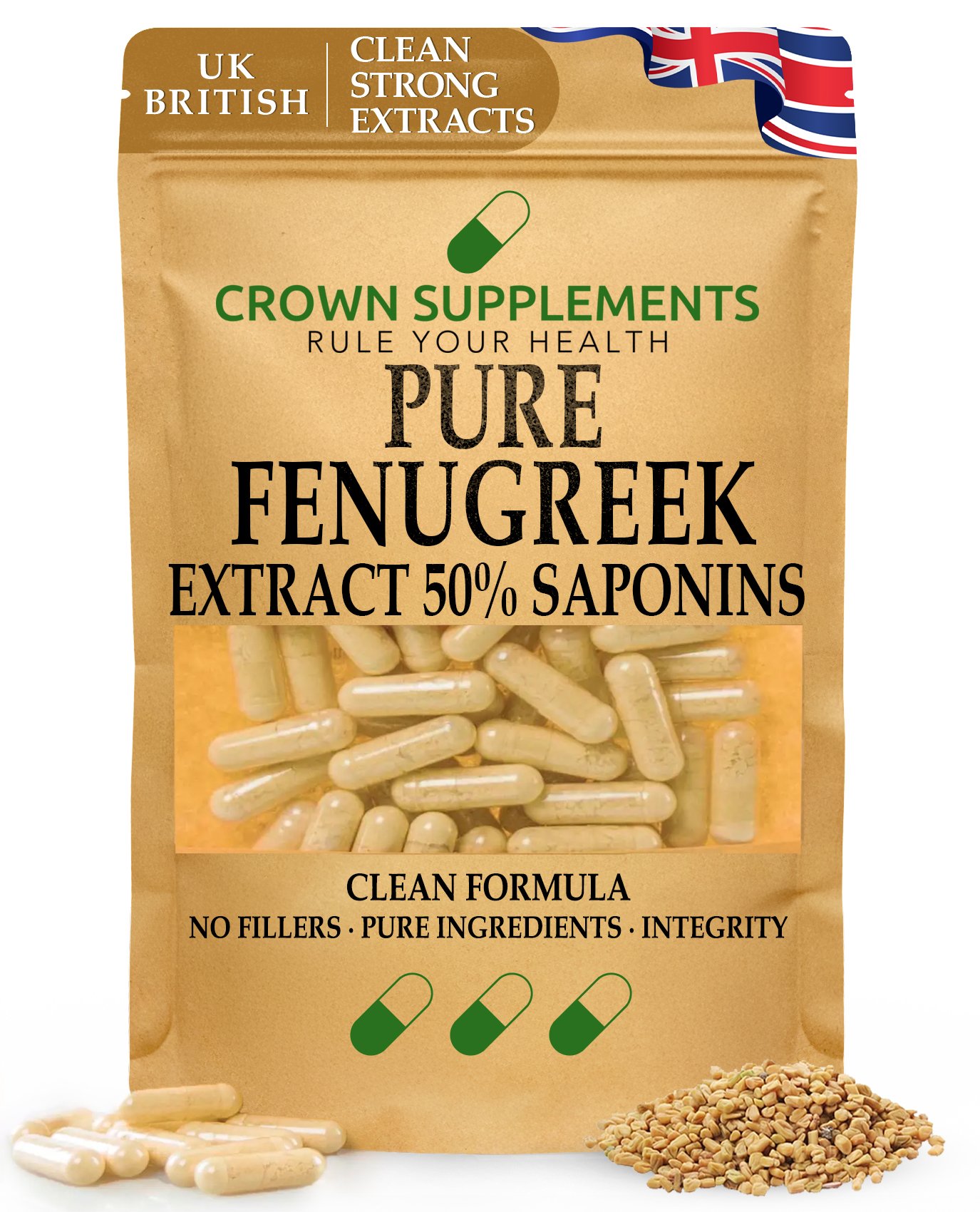

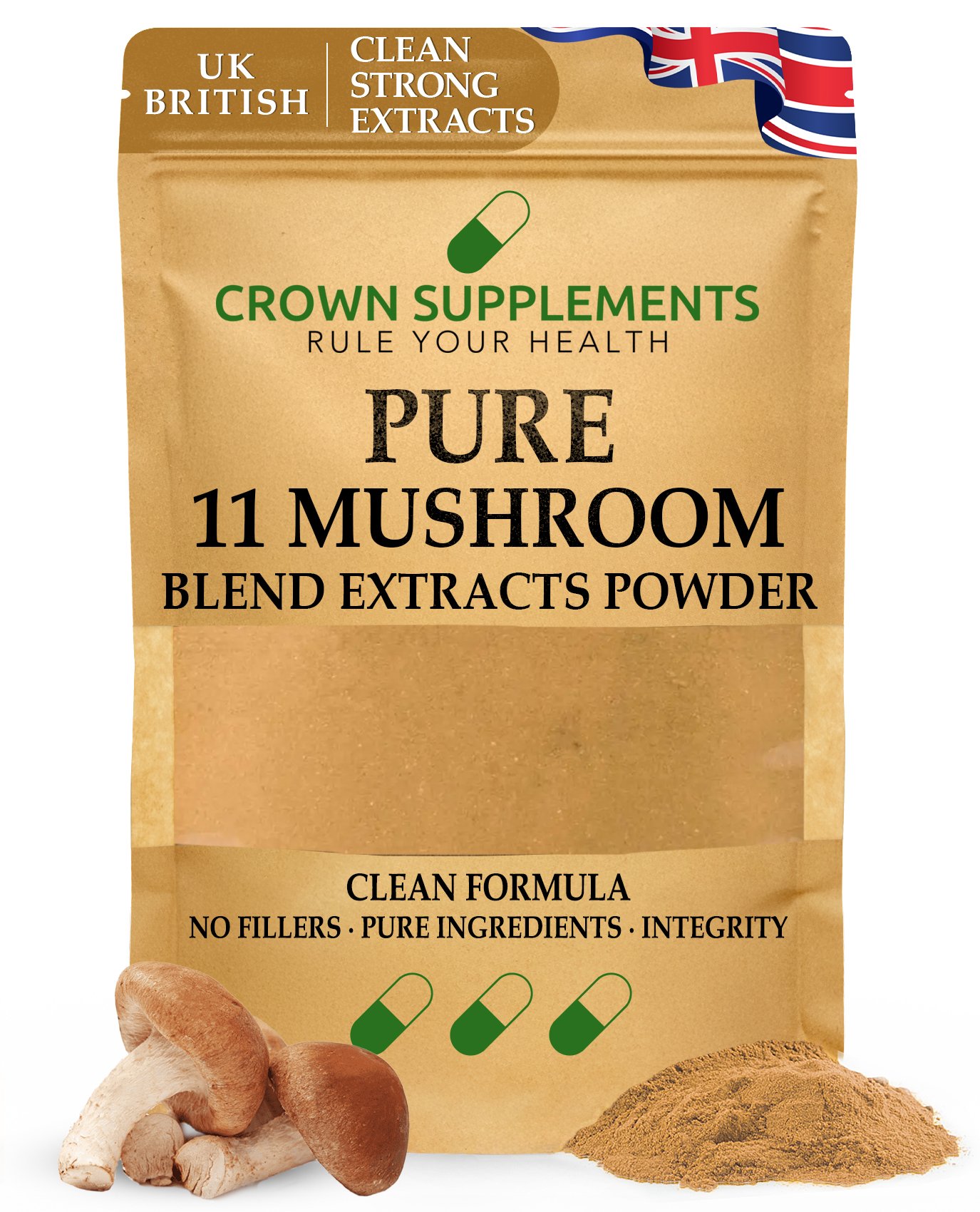

Discover top organic supplements UK to boost health naturally. Explore natural, high-quality products for wellness, detox, muscle support, and more.

Find the best ways to boost energy naturally with the mighty Iron Supplements

Explore how a canine probiotic supplement can enhance your dog’s gut health and overall wellbeing. Perfect for pet lovers seeking natural solutions!

Discover effective herbal remedies for hayfever. Learn about nettle, butterbur, quercetin and more to naturally manage your seasonal allergy symptoms.

Explore bee pollen uk benefits, sourcing, and usage. Learn about potential risks and how to choose quality local British bee pollen.

Explore the potential health benefits, nutrition, risks, and uses of bee pollen pills. Get informed before adding this natural supplement to your routine.