 Skip to content

Organic Bee Pollen: Natural Nutrition and Safety Guide
You might have heard whispers about nature’s tiny golden treasures. We’re talking about organic bee pollen. It’s getting a lot of buzz in health food shops and online wellness communities, often hailed as a potent superfood. But what actually is it, and why should you pay attention?
This amazing substance collected by busy honey bees is more than just food for the hive; it represents a concentration of floral goodness. People are adding it to smoothies, breakfasts, and incorporating it into their daily diet for its nutritional interest and impressive composition. Let’s look deeper into organic bee pollen and explore what makes it special.
What Exactly is Organic Bee Pollen?
Bee pollen is a blend of flower pollen collected by honey bees and mixed with nectar, honey, and enzymes from their saliva. Bees pack this mixture into baskets on their hind legs and bring it back to the hive, where it’s stored in honeycomb cells and often fermented into “bee bread”, a key protein source for the colony, especially for young larvae.
Many health enthusiasts value organic bee pollen not just for its nutritional content, but also because it’s harvested without synthetic pesticides, connecting the product with pollinator-friendly farming and cleaner sourcing expectations. Choosing organic bee pollen gives many buyers a purer, more sustainable option for those looking to add this natural food supplement to their routine.
Organic bee pollen comes from hives located in areas free from synthetic pesticides, herbicides, GMOs, and chemical fertilizers. Certified organic standards also apply to hive materials and treatments used on bees. This ensures a cleaner, more natural product compared to conventional bee pollen, which may contain chemical residues. Organic bee pollen appears as colourful granules, with its taste and texture varying based on the plants the bees visited.
A Tiny Powerhouse: Nutritional Profile
Don’t be fooled by their small size. Organic bee pollen granules contain a broad nutritional mix. Often referred to as one of nature’s most complete foods, organic bee pollen is rich in high-quality protein containing all essential amino acids, along with B vitamins including B1, B2, B6, B12, and folic acid, vitamin C, vitamin E, and provitamin A. These nutrients are often discussed in relation to energy metabolism, normal immune function and skin-focused nutrition.
In addition to vitamins, organic bee pollen is a good source of essential minerals such as calcium, magnesium, iron, zinc, and potassium. It provides natural sugars, small amounts of fats including omega-3 and omega-6, and digestive enzymes. Bee pollen is also rich in compounds such as flavonoids and carotenoids, which are often discussed in antioxidant and oxidative stress research. Naturally gluten-free, it’s a nutritious addition for many diets.
Here’s a simplified overview of the typical nutritional composition per 100g, keeping in mind significant variation is normal:
| Nutrient Category | Approximate Range per 100g | Key Components/Notes |
|---|---|---|
| Protein | 15 to 35g | Contains all essential amino acids |
| Carbohydrates | 30 to 60g | Mainly natural sugars including fructose and glucose, plus some complex carbs |
| Fat | 1 to 15g | Includes essential fats such as omega-3 and omega-6 |
| Fibre | 5 to 20g | Contributes to the overall fibre content of the product |
| Vitamins | Variable | Rich in B vitamins, vitamin C, vitamin E and provitamin A |
| Minerals | Variable | Good source of potassium, calcium, magnesium, iron, zinc and selenium |
| Bioactive Compounds | Variable | Flavonoids, carotenoids and polyphenols |
| Enzymes | Present | Amylase, catalase and other naturally occurring enzymes linked to food breakdown |
The exact nutritional profile of any given batch of bee pollen product depends heavily on the specific plant sources the honey bees visited, the geographical location, the season, and even weather conditions. This natural variability is part of what makes pollen bee pollen such a complex and interesting natural food.
However, choosing certified organic bee pollen helps give you confidence you’re getting nature’s intended profile without the addition of synthetic pesticide residues. Some users find it preferable to highly processed protein powders due to its natural, whole-food status.
Why People Research Organic Bee Pollen
People consume bee pollen for numerous reasons, aiming to leverage its concentrated nutrition for various diet and lifestyle goals. While it’s undeniably nutritious, it’s crucial to understand that organic bee pollen is a food supplement, not a miracle cure.
Always consult with a doctor or registered dietitian before adding new supplements to your daily diet, especially if you have pre-existing health conditions or allergies. The potential uses of bee pollen are still being researched.
User intent point: Many people search for organic bee pollen benefits, bee pollen nutrition, bee pollen granules, bee pollen capsules and how to use bee pollen. This guide answers those questions without presenting bee pollen as a treatment or guaranteed outcome.
Energy, Stamina and Daily Routine Use
Feeling tired or lacking stamina? Some individuals turn to organic bee pollen and raw bee pollen hoping for a natural energy lift. The synergistic combination of easily digestible carbohydrates for quick fuel, B vitamins essential for converting food into cellular energy, and high-quality protein for sustained nutrition is why some people associate bee pollen with energy-focused routines.
These bee pollen discussions are complemented by the presence of minerals bees need for proper function, such as magnesium, potassium, and iron. While rigorous human clinical trials are somewhat limited, anecdotal reports and its use by some athletes explain why bee pollen is often included in performance and routine-based nutrition conversations.
Athletes may also use raw honey and raw bee products, including raw propolis, with the intention of fitting them around endurance, strength and post-exercise nutrition routines. Though scientific evidence to strongly confirm these effects from raw bee pollen is still developing, its dense nutrient profile is relevant to normal energy-yielding metabolism and general recovery-focused nutrition. Many also appreciate it as one of the natural sweeteners that can be incorporated into a balanced lifestyle.
Immune System Nutrients and Research Notes
Your immune system is your body’s defence force, working tirelessly to protect you from pathogens. “Bee pollen good for immunity” is a common search phrase, but it should be treated carefully. Bee pollen’s nutrient profile includes vitamins like vitamin C and minerals such as zinc and selenium, which are commonly discussed in relation to normal immune function.
Organic fresh bee pollen and fresh bee products are often discussed in immune-focused nutrition content due to their rich mix of active substances, such as flavonoids and specific peptides. Laboratory studies and some animal research have studied raw pot bee pollen for antimicrobial activity, potentially active against certain strains of bacteria and fungi.
Research interest also relates to its antioxidant content and inflammation-related discussions. Chronic inflammation, unlike the body’s acute response, can affect long-term wellbeing. Additionally, since bee pollen is gluten free, it fits many dietary needs. For those looking to eat bee pollen, it’s typically consumed in raw form or taken as a supplement. Knowing how to eat bee pollen safely, especially when using fresh bee pollen, is key to understanding whether it suits your routine.
Hay Fever and Allergy Discussions
This is perhaps one of the most frequently discussed, yet highly controversial, uses of bee pollen. Some proponents believe that consuming small, regular amounts of local bee pollen could act like a form of oral immunotherapy, potentially desensitising the body to airborne pollens responsible for hay fever, also called seasonal allergic rhinitis.
The theory is that introducing tiny amounts of the allergen might train the immune system to react less severely over time. However, the scientific evidence supporting this practice is largely anecdotal and weak. Controlled studies have not consistently demonstrated that consuming bee pollen prevents or significantly reduces seasonal allergy symptoms.
Critically, attempting this carries a significant risk: consuming pollen can trigger severe allergic reactions, including potentially life-threatening anaphylaxis, in individuals sensitive to specific pollens or bee products. Self-treating allergies with bee pollen is not recommended and should never be attempted without explicit medical guidance and supervision.

Skin-Focused Nutrition and Topical Use
Healthy-looking skin often reflects good internal nutrition. The array of vitamins like precursors to vitamin A and vitamin E, complete amino acids needed for collagen and elastin synthesis, minerals, and antioxidant compounds found in organic bee pollen are often discussed in relation to skin structure, hydration and normal repair processes.
Traditionally, bee pollen has sometimes been included in topical preparations like creams or salves intended for minor skin irritations, dryness, or burns, although evidence for topical efficacy is limited. Its antioxidant properties might also be discussed in relation to skin-cell oxidative stress caused by UV radiation and environmental pollutants. This free radical damage is a known contributor to premature skin ageing, including wrinkles and loss of elasticity.
Consuming a diet rich in diverse antioxidants, potentially including those from bee pollen, is generally considered part of maintaining good nutrition from the inside out. Some individuals even experiment with incorporating it into homemade face masks, though caution regarding potential skin sensitivity is advised.
Digestive Enzymes and Gut Microbiome Discussion
Some natural health practitioners suggest organic bee pollen may be relevant to digestive-focused nutrition. This could be partly attributed to the presence of naturally occurring digestive enzymes, such as amylase and phosphatase, which are involved in breaking down carbohydrates and other food components, with nutrient absorption often discussed in this context.
There’s also speculation that bee pollen might act as a prebiotic. Prebiotics are non-digestible fibres that serve as food for beneficial bacteria, known as probiotics, residing in the gut microbiome. A varied gut microbiome is increasingly discussed in relation to overall wellness, digestion, immune function and even mood. Comparing bee pollen to well-known prebiotics or fermented foods requires more specific research on bee pollen’s effects on gut flora.
Liver Function Research Notes
Your liver performs hundreds of vital functions, including processing substances from your bloodstream. Some preliminary animal studies have investigated bee pollen in relation to liver-focused outcomes. Researchers hypothesise that antioxidant compounds within pollen could be relevant to liver-cell stress caused by certain toxins or oxidative stress.
For instance, studies conducted in rats indicated that administration of bee pollen extracts was associated with liver markers after exposure to certain chemicals or medications known to be hard on the liver. However, it’s essential to underscore that these findings are from animal models. Robust human trials are needed to determine if similar observations occur in humans and at what dosages.
Menopause Research Notes
Navigating menopause can bring challenging experiences for many women, including hot flushes, sleep disturbances, and mood changes, often linked to hormonal balance shifts. Some research has specifically investigated certain purified bee pollen extracts, often combined with royal jelly or other bee products, in this context.
One notable study involving a specific, standardised pollen extract blend reported differences in the frequency and severity of hot flushes and other menopausal experiences in some participants compared to a placebo. It’s important to note this research used a particular extract formulation, not just raw organic bee pollen granules straight from the food cupboard.
More research is required to understand the mechanisms involved, potentially related to phytoestrogenic compounds or inflammation-related effects, and to confirm the suitability and safety of various bee pollen products in menopause-related discussions.
Heart Health Research Notes
Emerging research looks at bee pollen in relation to heart health markers. Its antioxidant content, particularly flavonoids like rutin, has been studied around blood vessels, oxidative damage and inflammation, factors often discussed in relation to atherosclerosis, also known as hardening of the arteries.
Some animal studies have examined bee pollen consumption in relation to lipid profiles, including LDL cholesterol, triglycerides and HDL cholesterol markers. Maintaining healthy cholesterol levels is an important part of general cardiovascular health. Furthermore, compounds in bee pollen have been explored in relation to blood pressure markers, although more human studies are needed to confirm these observations. The presence of essential fats also contributes to the broader nutrition profile of the product.
Brain Health Research Notes
The brain is highly susceptible to oxidative stress due to its high metabolic activity and lipid content. The antioxidant compounds found in organic bee pollen, such as flavonoids and phenolic acids, are studied in relation to oxidative stress around neurons. This raises questions for future research around cognitive function and ageing, though this is largely theoretical based on antioxidant properties.
Animal studies have explored memory and learning markers, potentially linked to blood-flow and inflammation-related research in the brain. Essential fats present in pollen are also part of brain cell membrane structure and function. While intriguing, direct evidence from human trials specifically examining bee pollen’s impact on brain health is still limited.
Weight Management Discussion
While not a weight-loss miracle food, organic bee pollen might be considered within weight management strategies. Its combination of protein and fibre may contribute to feelings of fullness and satiety, which is one reason people discuss it in relation to appetite control and calorie-aware routines.
Being nutrient-dense means it provides substantial nutrition for relatively few calories compared to processed snacks. Some proponents also highlight its B vitamins, which are connected to normal energy-yielding metabolism. However, relying solely on bee pollen for weight management is unrealistic; it should be part of a balanced diet and active lifestyle. Its natural sweetness might also offer an alternative to refined sugar sweeteners when used moderately.
Bees, Beekeeping, and Why Organic Matters
We can’t truly value organic bee pollen without appreciating the honey bees that collect it. These vital pollinators support global food production by helping to pollinate fruits, vegetables, nuts, and seeds. Unfortunately, bee populations are in decline due to pesticides, habitat loss, climate change, and pests like the Varroa mite.
Choosing certified organic bee pollen supports farming methods that avoid harmful chemicals and promote biodiversity, creating safer, healthier habitats for bees. Ethical organic beekeepers also harvest responsibly, ensuring bees have enough nutrition. By choosing organic, you’re not only choosing what you buy, but also helping protect bees and the environment.

Organic vs. Conventional Bee Pollen: What’s the Difference?
The main distinction between organic and conventional bee pollen lies in the bees’ foraging environment and how the hives are managed. Organic bee pollen is harvested from bees that collect pollen in areas free from synthetic pesticides, herbicides, and GMOs, typically remote regions, nature reserves, or near certified organic farms. These hives must be located within a defined radius, often 3 km or more, where surrounding flora meets strict organic standards. The hives themselves are also managed according to organic guidelines, using natural materials and avoiding synthetic treatments.
Conventional bee pollen does not follow these strict protocols. Bees may forage on chemically treated crops, and their hives are often located in areas exposed to industrial pollution or heavy traffic. As a result, conventional bee pollen may contain traces of pesticides, fungicides, herbicides, or even heavy metals like lead and cadmium. Organic standards aim to minimise these risks by maintaining cleaner environments and applying regular monitoring.
Beyond purity, organic beekeeping supports biodiversity and healthier ecosystems. Unlike conventional farming, which often relies on monoculture and chemical inputs, organic practices promote crop rotation, wildflowers, and hedgerows that benefit pollinators and wildlife alike.
As for taste, some people find organic bee pollen to have a richer and more complex flavour. This likely depends more on the variety of flowers the bees visit than the organic label alone. However, the reassurance of a cleaner, more natural product gives many consumers added peace of mind.
To ensure authenticity, always look for trusted certification logos such as USDA Organic in the United States, Soil Association in the UK, or the EU organic leaf.
How to Add Organic Bee Pollen to Your Diet
How to Use Organic Bee Pollen Carefully
Organic bee pollen is easy to incorporate into your diet, but if you’re new to it, start with a very small amount, just a few granules, on the first day to check for any allergic reaction. If tolerated, you can gradually increase the intake over time. A typical daily amount ranges from 1 teaspoon to 1 to 2 tablespoons, but it’s important to listen to your body and follow any guidance on the packaging. Cycling use, such as taking breaks every few weeks, is also recommended by some users.
Easy Ways to Enjoy Bee Pollen:
- Blend into smoothies or protein shakes.
- Sprinkle over yogurt, oatmeal, or cereal.
- Add to salads or mix into salad dressings.
- Incorporate into homemade energy balls, granola bars, or trail mix.
- Mix with honey, spread on toast, or top fruit bowls and acai bowls.
- Stir into baking recipes like muffins or cookies, adding after cooking for best texture and freshness.
- Enjoy it straight from the spoon if you like its natural taste.
Storage Tips: To keep bee pollen fresh, store it in an airtight container in a cool, dark, dry place. For best results, refrigerate or freeze it after opening, especially in warm or humid climates. This helps preserve its nutrients, enzymes, and natural fats.
Important Precautions and Potential Side Effects
Important Precautions When Using Organic Bee Pollen
While organic bee pollen offers impressive nutritional value and is widely researched by people interested in natural foods, it is not suitable for everyone, and in some cases it may pose serious risks.
Allergy Risks:
The primary concern with bee pollen is the risk of allergic reactions. Since it contains pollen from various flowers, it can trigger symptoms in individuals allergic to plant pollens, such as ragweed, birch, or grasses, flowers, or bee stings. Reactions may range from mild itching, hives, sneezing, or digestive upset, to severe and life-threatening reactions, including difficulty breathing, swelling, or anaphylaxis. Anyone with known pollen allergies, asthma, or a history of reactions to bee products like honey or propolis should avoid bee pollen or only use it under medical supervision.
If you’re trying bee pollen for the first time, even with no known allergies, start with a tiny amount, just one or two granules. Some suggest a patch test by applying a small amount mixed with water to the skin for 24 hours, but be aware this is not always a reliable indicator of how your body will react when ingesting it.
Pregnancy, Breastfeeding & Medication Interactions:
Bee pollen is not recommended for pregnant or breastfeeding women unless specifically approved by a healthcare provider, due to the lack of safety data and potential for allergic reactions. It may also interact with medications, especially blood thinners like warfarin, increasing the risk of bleeding. Always consult your doctor or pharmacist before using bee pollen if you are on medication or have any underlying health conditions.
Bottom Line:
Although organic bee pollen can be a concentrated addition to a balanced diet, it must be approached with caution. Always consult your healthcare provider before adding it to your routine, especially if you have allergies, are pregnant, or take medications. Your personal health history should guide whether bee pollen is safe for you.
Finding High-Quality Organic Bee Pollen
How to Choose High-Quality Organic Bee Pollen
If you’re considering adding organic bee pollen to your diet, choosing a high-quality product is essential to get a product that is well handled, clearly sourced and suitable for your routine. Here’s how to identify a trustworthy option:
1. Look for Certified Organic Labels
Choose products that clearly state “organic” on the label and display a reputable organic certification seal. Trusted logos include:
- USDA Organic in the United States.
- Soil Association or Organic Farmers & Growers in the UK.
- EU Organic Leaf Logo in the European Union.
These certifications ensure the product meets strict standards from hive to shelf, including no synthetic pesticides or harmful chemicals used in the bees’ foraging area.
2. Check the Source and Origin
Many reputable brands specify the country or region where the pollen was harvested. Bee pollen collected from clean, remote areas like wildflower meadows or mountainous regions is typically of higher quality due to lower pollution exposure. While some people look for local bee pollen, purity and organic certification should always take precedence.
3. Buy from Trusted Suppliers
Purchase from:
- Established health food stores.
- Reliable online retailers that specialise in natural foods.
- Certified organic beekeepers, either directly or via farmers’ markets.
Always ask about their beekeeping practices, foraging zones, and certification status. Avoid buying from non-specialist outlets that may lack proper storage or product knowledge.
4. Assess Freshness and Handling
Bee pollen is sensitive to heat, light, and moisture. Check for:
- A clear “best before” or harvest date.
- Storage instructions, as it should be kept cool and dark.
- Proper packaging, usually airtight and sometimes vacuum-sealed.
Visually, high-quality pollen should be vibrant in colour, not dull or grey, and should feel slightly soft, not hard or clumped. Clumping may indicate moisture exposure or spoilage.
5. Evaluate the Price and Reputation
While not always a guarantee, very cheap bee pollen can be a red flag for poor sourcing, fake certification, or improper handling. Choose brands known for:
- Transparency in sourcing.
- Ethical beekeeping practices.
- Independent quality testing.
Watch for genuine promotions from trusted sellers, but prioritise quality over price.
6. Ensure Safe Purchasing Practices
When buying online, confirm the retailer has a clear privacy and return policy, and that the product is stored and shipped appropriately. Bee pollen is a concentrated supplement ingredient, not just another pantry item like sauces or condiments.
Bee Pollen at Crown Supplements
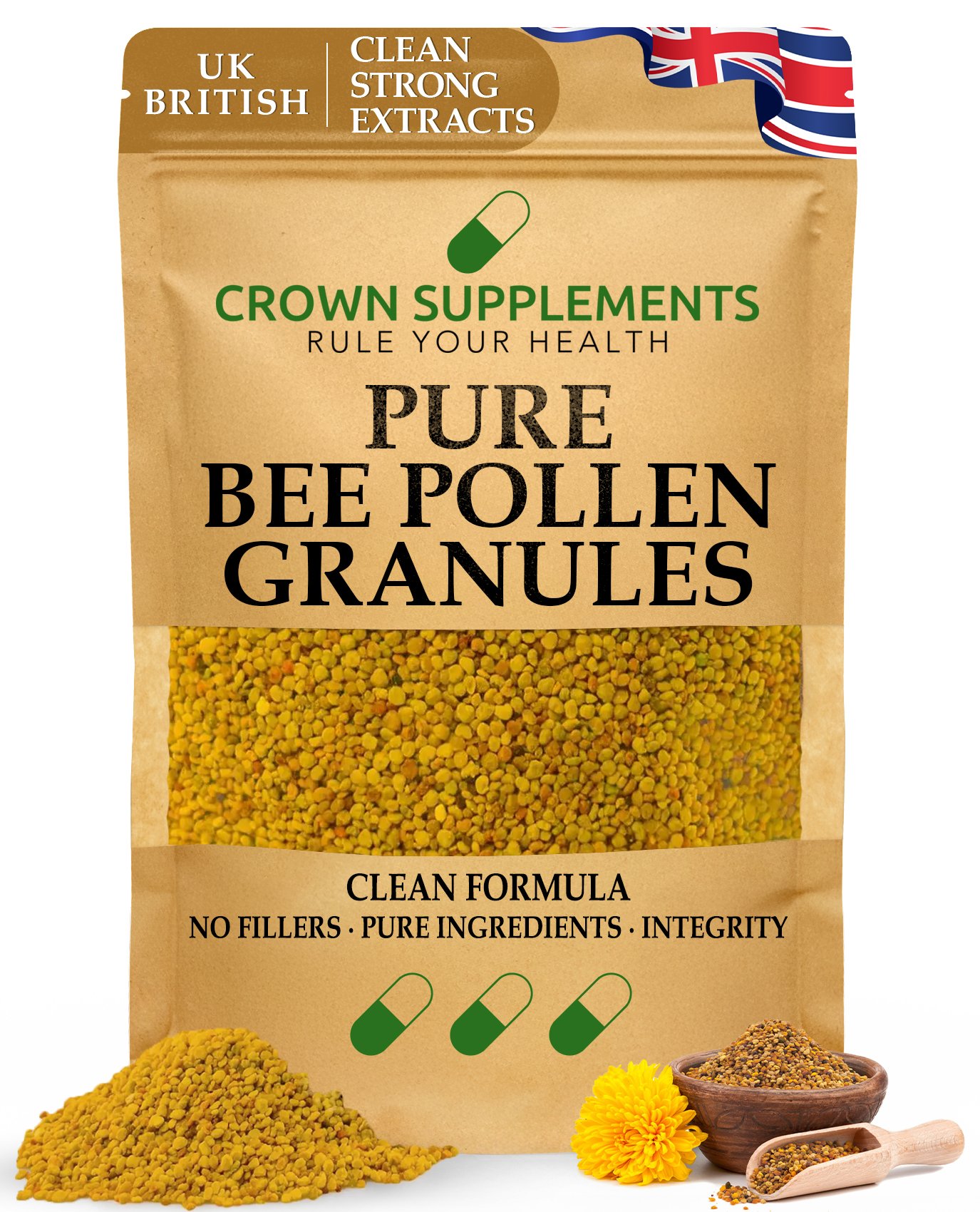
For readers comparing bee pollen granules and bee pollen capsules, Crown Supplements keeps the choice simple: the same topic, two different formats. Granules suit people who prefer to add bee pollen into food or drinks, while capsules suit people who prefer a measured, straightforward supplement format.
The Crown Supplements approach is not about exaggerated promises. It is about clean supplement choices, clear formats, no unnecessary fillers, no binders, and a product page that makes the ingredient easy to understand before you buy.

Clean formula. No nonsense.
Crown Supplements focuses on supplement pages that are easy to understand: clear ingredient names, clean formula language, no fillers, no binders, and no exaggerated claims. That is how a blog page can help the customer research properly without turning into a hard-sell product page.
Conclusion
Organic bee pollen is a nutrient-dense natural food supplement, offering complete proteins, essential vitamins especially B-complex, minerals, and antioxidant compounds. Its nutritional profile explains why people research it for energy-focused routines, immune-focused nutrition, skin-focused nutrition, digestive discussions, menopause research, heart health research, brain health research and weight management conversations.
Opting for certified organic bee pollen not only gives buyers a cleaner, purer product free from synthetic pesticides and contaminants, but also supports sustainable agriculture and protects vital bee populations and biodiversity.
However, organic bee pollen isn’t suitable for everyone. Due to the risk of allergic reactions, especially in those with pollen or bee product sensitivities, it’s essential to introduce it gradually, starting with just a few granules. Always consult a healthcare provider before use, particularly if you have allergies, asthma, are pregnant, breastfeeding, or take medications.
When used responsibly and sourced from trusted producers, organic bee pollen can be a useful addition to a balanced lifestyle for people who understand the ingredient, the risks and the importance of careful sourcing.
