

Supplement Buying Guides

Top Organic Supplements in the UK That Really Work
Discover top organic supplements UK to boost health naturally. Explore natural, high-quality products for wellness, detox, muscle support, and more.
 Skip to content
 Looking for the best bulking foods to pack on muscle? It’s a journey that requires a blend of intense training and, most importantly, the right nutrition. We often get caught up in the workout, forgetting that what we eat is truly pivotal. Building muscle isn’t just about how much protein you consume. The best bulking foods offer a mix of macronutrients – the perfect combination of proteins, carbohydrates, and fats – all working together to power your workouts and encourage muscle development. Think of it as creating a fertile ground, setting the stage for natural growth.
Bulking is focused on gaining muscle. ‘Clean bulking’ emphasises eating nutritious foods, rather than ‘dirty bulking’. Dirty bulking prioritizes quick calorie increases often neglecting food quality.
Muscle growth is a gradual process. Clean bulking is about choosing nutrient-rich foods for consistent weight gain and better overall health.
Knowing the roles of proteins, carbs, and fats is vital. Protein is crucial for repairing and building muscle. Carbohydrates are essential as they fuel workouts and help growth.
Fats are equally important. Healthy fats, such as omega-3 fatty acids, are key for both muscle growth and storing vitamins. Including about 20% healthy fats in your diet is beneficial.
So, how do we work out our calorie intake? It’s about finding the right balance. Aim to boost your calorie consumption by about 10-20%.
Some studies suggest increasing calorie intake by 15%. A 200-pound male bodybuilder might aim for 3,800 to 4,400 calories each day. On average, bodybuilders consume around 45 calories per kilogram of body weight daily, aiming to increase their body weight by 0.25 – 0.5% each week.
Here are a few examples, based on 45 calories per kilogram of body weight:Weight (lbs)Weight (kg)Daily Calories
The best bulking foods are key to fuelling muscle growth. Let’s explore how different food groups contribute.
Lean proteins are crucial for muscle building. Chicken and beef provide vital amino acids. These are essential for muscle repair.
100 grams of chicken breast has about 31 grams of protein and is low in fat. Lean beef is a good source of protein and nutrients, including heme iron. Heme iron is absorbed more readily than non-heme iron.
Eggs are a powerhouse of protein. Research shows that dietary cholesterol in eggs isn’t a major concern.
Eggs are a source of good cholesterol. A single large egg contains around 6 grams of protein, along with essential vitamins and minerals like B12 and iodine.
Dairy products like whole milk and cottage cheese are rich in protein and calcium. A cup of whole milk has about 8 grams of protein. These are beneficial for recovery and muscle development, offering extra calories to aid strength building.
Salmon and tuna are packed with protein and omega-3 fatty acids. Four ounces of salmon has around 24 grams of protein and plenty of vitamin D. This helps in supporting your muscle-building journey and offers additional joint care benefits.
Carbohydrates are crucial for providing energy during intense training. This is essential in the bulking process.
Both complex and simple carbs have their place. Simple carbs like rice are effective in quickly replenishing muscle energy.
Complex carbohydrates, such as oats, are high in fibre and have a low GI. Half a cup of cooked oats offers 27 grams of carbs and about 4 grams of fibre. This helps maintain steady energy levels.
White rice, sweet potatoes, and white pasta, despite being high GI, are great for quickly refueling muscles after exercise. One cup of cooked white rice provides roughly 50 grams of carbohydrates. Sweet potatoes are also a good choice, with a cup containing around 41 grams of carbs and added fibre.
Including healthy fats in your diet is also essential. Keep it simple, though.
Avocados are rich in monounsaturated fats. These ‘healthy fats’ also have a good amount of fibre.
Nuts and nut butters also contain these beneficial monounsaturated fats, along with fibre. They are a good source of calories, supporting a calorie surplus, crucial for muscle gain.
Coconut and olive oils provide essential fats. These oils add flavour and increase satiety, supporting your muscle-building goals.
Various superfoods enhance bulking with their nutritional variety and macro options. They complement your main diet.
These are excellent high-protein foods. They also serve as good carbohydrate sources.
Black beans are rich in carbs, protein, minerals, and vitamins. One cup has over 40 grams of carbs, 16 grams of protein, and less than a gram of fat, making them very beneficial.
Whole grain options like bread and pasta offer complex carbs. A cup of whole wheat pasta provides around 42 grams of carbs. This helps boost your muscle energy and adds fibre to your diet.
Fruit is often overlooked in bulking. Fruit provides fibre, carbs, and nutrients that are essential for a balanced diet. They can also be a healthy way to satisfy sugar cravings.
Bananas are great for instant energy and are a good source of carbohydrates. Studies show that bananas are good for fuelling up before exercise. Eating a banana before your workout can be very beneficial.
Dried fruits have a higher calorie count per serving due to their natural sugar content. They can be used as a snack or a meal.
Changing your eating habits requires a planned approach. How you manage this can make a big difference in your bulking phase. Incorporating calorie-dense foods like nut butter and peanut butter is a great source of healthy fats and protein, helping you gain weight effectively.
To build and maintain muscle, focus on consuming protein-rich foods that provide essential amino acids for muscle recovery and growth. Adding foods such as lean meats, eggs, and dairy, along with nut butter, ensures you’re getting the right nutrients. A well-structured diet is crucial for increasing muscle mass while avoiding excess fat gain.
Proper meal planning is crucial for a regular intake of nutrients, especially when focusing on gaining weight and increasing muscle mass. Aim to include a substantial amount of both complex carbs and healthy fats in each meal to fuel workouts and recovery. Adding whey protein to your diet can further support muscle growth, providing a quick and effective source of high-quality protein. By structuring meals around nutrient-dense foods, you can maximize your progress in building muscle mass while efficiently gaining weight.
Using calorie trackers helps in managing your daily calorie intake for muscle gain. Monitoring regularly can help to make more informed food choices. Using a tracking app will keep your progress on course.
Staying hydrated is essential for overall health and growth. Regular water intake helps your body function at its best. Aim for enough water each day.
Supplements and protein shakes offer a convenient way to increase your daily protein intake. You may want to consider whey protein. Always consult a healthcare professional before taking supplements. It’s vital to have a well-rounded eating plan.
Consistency is key. Pay attention to your body’s signals to figure out what works best for you.
Being aware of common errors is important. Avoid these mistakes to stay on track. Patience and making thoughtful choices are crucial.
Many people think bulking is solely about increasing protein. Protein is important, but it’s just one part of the equation.
A balanced diet is key. Include plenty of high-quality carbs (50-60%), lean proteins (around 28%), and healthy fats (about 20%). This approach supports muscle growth and overall health.
Focusing only on macronutrients can mean neglecting essential micronutrients. Vitamins and minerals are crucial for overall body function. It’s important to incorporate a colourful variety of fruits and vegetables.
Dirty bulking might seem tempting for quick muscle mass gains, but this approach often leads to gaining too much body fat. Unlike healthy bulking, where nutrient-dense foods are prioritized, dirty bulking can negatively impact cholesterol levels and overall health. It’s better to take your time and focus on consuming excellent protein sources like lean meats, eggs, and nut butters. Opting for healthy bulking with whole foods supports muscle growth while maintaining better body composition when lifting weights.
The best bulking foods include eggs, fatty fish, dairy products like milk and cottage cheese, as well as protein and mass gainer shakes. Foods like oatmeal and whole grains are excellent complex carbohydrates. Chicken, lean red meat, and similar options are also very effective protein sources. Choose foods packed with the nutrients to meet your needs.
A “dirty bulk” involves consuming high amounts of calories from any food source, including carbs and fats. Approach this carefully. Start by increasing your daily calories by 10-20%. For instance, a 200lb individual might aim for 3,800 to 4,400 calories a day.
Foods with a good balance of nutrients, particularly high in protein, are beneficial for muscle growth. The best bulking foods include lean meats, fish, eggs, and complex carbohydrates like brown rice and quinoa. Adding best bulking foods such as Greek yogurt and bananas can also help. For instance, a snack of a banana with two tablespoons of peanut butter provides a balanced and satisfying option for sustained energy and muscle recovery.
It depends on factors like your current weight and metabolism. The best bulking foods should be included in your diet to ensure quality weight gain rather than excess fat accumulation. A person around 150 lbs, aiming for less overall mass, might target around 3,060 calories daily. Someone weighing 200 lbs might need close to 4,000 calories, and a larger individual, say 250 lbs, could aim for the 5,000 range. Focusing on best bulking foods ensures a steady and healthy increase in muscle mass, as gains usually occur gradually with consistent eating habits.
Gaining muscle and weight can be challenging. The best bulking foods should provide a good balance of nutrients to support your bulking phase. Including best bulking foods in your daily routine, along with fruits and staying hydrated, will set you up for success. Keep in mind that mass gain requires both proper nutrition and a consistent meal plan. Staying committed to your weight gain goals will help you make steady progress.The best bulking foods supply essential macronutrients like protein, healthy fats, and complex carbohydrates, all of which contribute to building muscle mass. Along with consuming best bulking foods, incorporating sources rich in amino acids—such as lean meats, eggs, and dairy—supports gain muscle effectively. Many athletes also rely on protein powder to ensure they meet their daily protein intake, helping them stay on track with muscle development.
While the focus is on best bulking foods, it’s also important to avoid unhealthy eating habits that could lead to excessive fat gain and hinder performance. A well-balanced diet prevents unnecessary weight loss and provides sustained energy for workouts. By prioritizing best bulking foods, staying hydrated, and fueling your body with the right nutrients, you can maximize results and achieve your fitness goals efficiently.

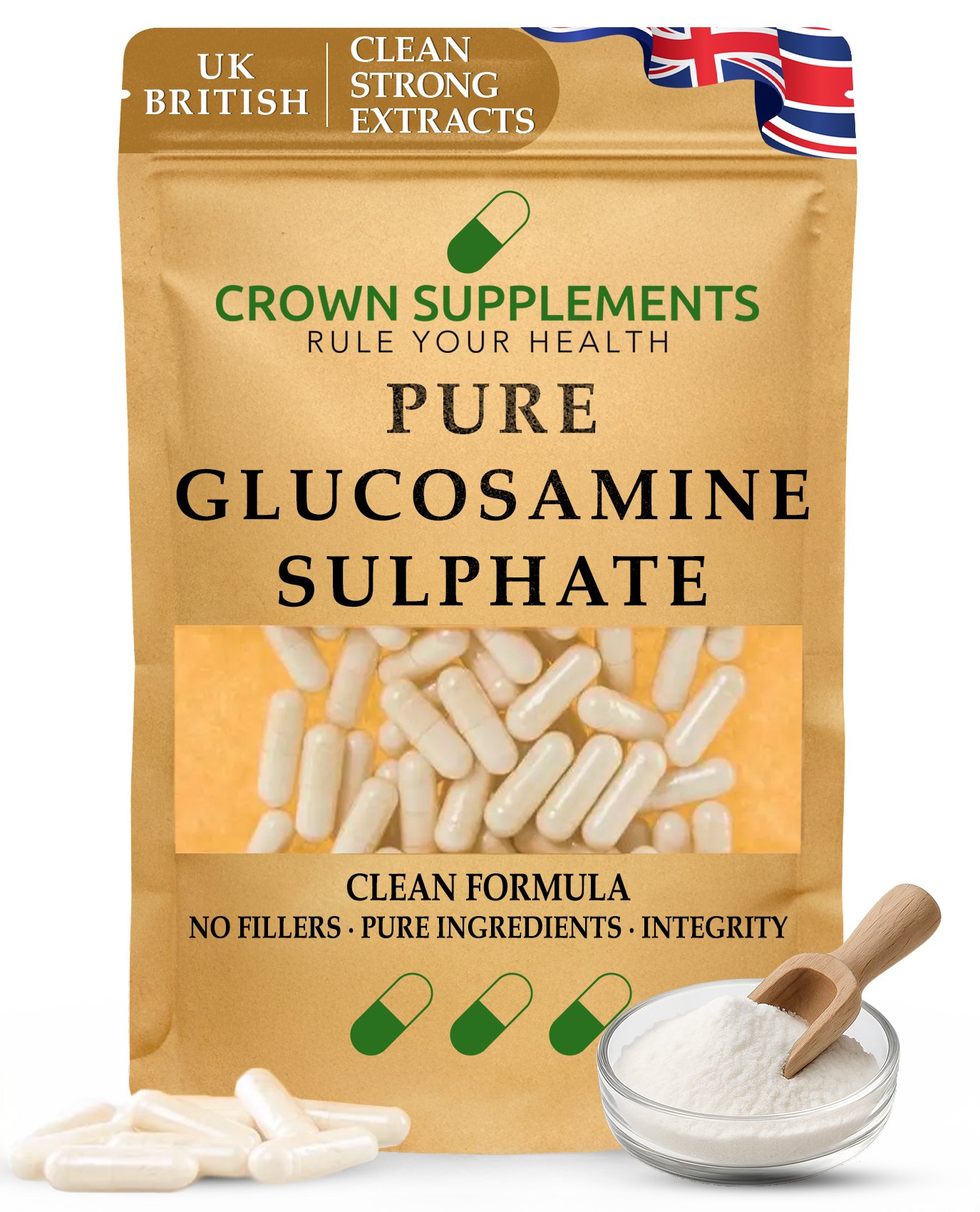


Discover top organic supplements UK to boost health naturally. Explore natural, high-quality products for wellness, detox, muscle support, and more.

Find the best ways to boost energy naturally with the mighty Iron Supplements

Explore how a canine probiotic supplement can enhance your dog’s gut health and overall wellbeing. Perfect for pet lovers seeking natural solutions!

Discover effective herbal remedies for hayfever. Learn about nettle, butterbur, quercetin and more to naturally manage your seasonal allergy symptoms.

Explore bee pollen uk benefits, sourcing, and usage. Learn about potential risks and how to choose quality local British bee pollen.

Explore the potential health benefits, nutrition, risks, and uses of bee pollen pills. Get informed before adding this natural supplement to your routine.