
Supplement Buying Guides

Top Organic Supplements in the UK That Really Work
Discover top organic supplements UK to boost health naturally. Explore natural, high-quality products for wellness, detox, muscle support, and more.
 Skip to content
 Female bodybuilding has come a long way since its inception in the late 1970s. Bodybuilder female, What started as a niche sport has grown into a powerful movement, challenging societal norms and redefining strength (bench press) and beauty standards. Today, Bodybuilder females are not just athletes; they’re role models, entrepreneurs, and pioneers in their field.
The journey of a female bodybuilder is one of dedication, perseverance, and self-discovery. It’s a path that demands not only physical strength but also mental fortitude. These women push their bodies to the limit, sculpting their physiques through rigorous training and strict dieting regimens.
But what does it really take to become a successful female bodybuilder? Let’s explore the world of female bodybuilding, its history, the challenges faced by these athletes, and the incredible transformations they undergo.

Female bodybuilding as we know it today began to take shape in the late 1970s. The sport’s pioneers paved the way for future generations, breaking barriers and challenging societal norms about women’s bodies and capabilities.
The first official female bodybuilding competition took place in Canton, Ohio, in 1977. This event marked a significant milestone in the sport’s history, opening doors for women to showcase their muscular physiques on stage.
However, it wasn’t until 1980 that female bodybuilding gained real traction. This was the year when Rachel McLish won the first-ever Ms. Olympia title, catapulting the sport into the mainstream.
McLish’s victory not only established her as a pioneer but also inspired countless women to pursue bodybuilding. Resistance bands were a crucial tool in her training regimen, as she believed they helped develop muscle definition.
The 1980s and 1990s are often referred to as the Golden Era of female bodybuilding. During this period, the sport saw exponential growth in popularity and participation. Icons like Cory Everson, Lenda Murray, and Kim Chizevsky-Nicholls dominated the stage, pushing the boundaries of muscular development (bench press) and symmetry.
Lenda Murray , who began competing in 1988, quickly became a dominant force in the sport. She went on to win eight Ms. Olympia titles, cementing her place as one of the greatest female bodybuilders of all time.
Murray’s approach to training was holistic, incorporating yoga and Pilates for flexibility and injury prevention. She believed in training smarter, not just harder.
As we moved into the 21st century, female bodybuilding continued to evolve. The sport faced challenges, including changes in judging criteria and the introduction of new categories like Figure and Physique. However, it also saw the rise of new champions who pushed the sport to new heights.
One such champion is Iris Kyle, who has been dubbed “The Female Ronnie Coleman” due to her incredible dominance in the sport. Kyle holds an astounding 10 Ms. Olympia titles, more than any other bodybuilder, male or female.
Her career, which spanned from 2001 to 2014, included seven Ms. International wins , solidifying her position at the top of the IFBB Pro Women’s Bodybuilding Ranking List. Kyle was known for her intense training regimen and dedication to healthy eating.
Becoming a female bodybuilder involves a dramatic physical transformation that goes far beyond simply building muscle. It’s a process that requires unwavering dedication, attention to diet, and a training regimen that pushes the limits of human endurance.
The training routine of a female bodybuilder is intense and multifaceted. It typically involves a combination of heavy weight training, cardio, and posing practice. Here’s a glimpse into what a typical week might look like:
| Day | Morning | Evening |
|---|---|---|
| Monday | Chest and Triceps | 30 min Cardio |
| Tuesday | Back and Biceps | Posing Practice |
| Wednesday | Legs | 30 min Cardio |
| Thursday | Shoulders and Abs | Posing Practice |
| Friday | Arms | 30 min Cardio |
| Saturday | Full Body Circuit | Rest |
| Sunday | Rest | Light Cardio or Yoga |
This schedule is just an example and can vary greatly depending on the individual athlete’s needs and goals. Many bodybuilder females train twice a day, dedicating several hours each day to their craft. Proper form and technique are emphasized to prevent injuries.
Nutrition plays a crucial role in a female bodybuilder’s journey. The diet is typically high in protein to support muscle growth and repair, with carefully calculated amounts of carbohydrates and fats to fuel workouts and maintain overall health.
During the off-season, when bodybuilders focus on building muscle mass, calorie intake is usually higher. As competition approaches, many athletes enter a “cutting” phase, reducing calorie intake to shed body fat and achieve the lean, defined look prized on stage.
Here’s an example of what a bodybuilder female’s diet might look like during a cutting phase:
It’s important to note that this is a generalized example. Each athlete’s nutritional needs are unique and often require the guidance of a nutritionist or coach to optimize their diet for performance and body composition goals.
While the physical aspects of bodybuilder female are evident, the mental challenges are equally significant. The sport demands an incredible level of mental toughness, self-discipline, and resilience to overcome setbacks and stay committed to long-term goals.
Female bodybuilders often grapple with society’s expectations of femininity. The muscular physique they work so hard to achieve can be met with criticism or misunderstanding from those outside the bodybuilding community.
This can lead to complex feelings about body image and self-worth as they navigate societal pressures and expectations.
However, many female bodybuilders report that the sport has helped them develop a more positive body image and increased self-confidence. The process of transforming their bodies through hard work (bench press) and dedication often leads to a profound sense of empowerment and self-acceptance.
Competing in bodybuilding requires a unique mental approach. Athletes must maintain focus and motivation through grueling training sessions and strict dieting. They also need to develop the confidence to present themselves on stage, showcasing their physiques in front of judges and audiences.
“Bodybuilding is much like any other sport.To be successful, you must dedicate yourself 100% to your training, diet and mental approach.” – Lee Haney, 8-time Mr.Olympia
While this quote comes from a male bodybuilder, it applies equally to female competitors. The mental fortitude required to succeed in bodybuilding is universal, regardless of gender. It involves setting high standards, embracing challenges, and developing coping mechanisms for stress and pressure.
Despite the progress made in recent decades, female bodybuilders still face unique challenges in their sport and daily lives. These challenges encompass societal perceptions, health concerns, and financial obstacles.
One of the biggest hurdles female bodybuilders face is societal perception. The muscular physique these athletes work hard to achieve often doesn’t align with traditional beauty standards.
This can lead to misunderstanding, criticism, and even discrimination in some cases.
Many female bodybuilders report facing judgment in their personal and professional lives due to their appearance. This can range from strange looks in public to difficulties in romantic relationships or even workplace discrimination.
Like their male counterparts, bodybuilder female face potential health risks associated with extreme physical training and strict dieting. These can include hormonal imbalances, menstrual irregularities, and increased risk of certain injuries.
Additionally, the use of performance-enhancing substances, while not universal in the sport, is a concern. These substances can have serious health implications, particularly for women, including changes in voice, hair growth patterns, and reproductive health issues.
It’s important for female bodybuilders to prioritize their long-term health by working with healthcare professionals/ personal trainers to monitor their hormone levels, address any menstrual irregularities, and make informed decisions about their training and nutrition.
Making a living as a professional female bodybuilder can be challenging. Prize money in female bodybuilding competitions is often significantly less than in male competitions.
Many athletes supplement their income through sponsorships, personal training, or other fitness-related careers. They may also face challenges in securing sponsorships due to the stigma surrounding their sport.
Some female bodybuilders have successfully transitioned into entrepreneurship, leveraging their personal brands to create fitness programs, supplements, or apparel lines. Others have become successful coaches and mentors, sharing their expertise with aspiring athletes.
Despite the challenges, the future of female bodybuilding looks bright. The sport continues to evolve, with new categories like Women’s Physique and Wellness offering additional opportunities for female athletes.
Today’s female bodybuilders are more than just athletes; they’re entrepreneurs, coaches, and inspirational figures. Women like Alina Popa, who ranks fourth on the IFBB pro women’s ranking list, continue to inspire the next generation of athletes even after retiring from competition.
These women are breaking stereotypes and showing that strength and femininity are not mutually exclusive. They’re proving that with dedication and hard work, it’s possible to transform not just your body, but your entire life.
Their stories of dedication, perseverance, and self-belief resonate with people from all walks of life, demonstrating that anything is possible with hard work and determination.
While fame is subjective, some of the most renowned female bodybuilders include Iris Kyle (10-time Ms. Olympia winner), Lenda Murray (8-time Ms. Olympia winner), and Cory Everson (6-time Ms. Olympia winner). Rachel McLish, who won the first Ms. Olympia in 1980, is also considered a pioneer in the sport and Helle Trevino.
The UK has produced several notable female bodybuilders. While it’s challenging to definitively name the “best,” some prominent UK-based female bodybuilders include Andrulla Blanchette, who won the lightweight class at the 2000 Ms. Olympia, and Lisa Cross, who has competed successfully in IFBB Pro League competitions.
The term “most muscular” is subjective and can vary depending on individual preferences. However, some of the most muscular women in the world include Iris Kyle, Alina Popa, and Andrea Shaw, who have all achieved significant success in professional bodybuilding competitions.
The weight of female bodybuilders can vary greatly depending on their height, muscle mass, and whether they’re in their off-season or competition phase. Professional female bodybuilders typically weigh anywhere from 130 to 180 pounds or more when in competition shape. During the off-season, they may weigh 10-30 pounds more as they focus on building muscle mass.
The world of female bodybuilding is a testament to human potential and the power of dedication. These athletes push the boundaries of physical transformation, challenging societal norms and redefining what it means to be strong and feminine.
From the pioneers of bodybuilder female, like Rachel McLish to modern-day champions like Iris Kyle, female bodybuilders have carved out a unique space in the fitness world. They’ve shown that strength knows no gender and that with passion and perseverance, incredible transformations are possible.
New categories, changing aesthetics, and a growing emphasis on overall health and wellness are shaping the sport. At its core, female bodybuilding will always be about pushing limits, breaking barriers, and inspiring others to pursue their own paths to strength and self-confidence.
A list of some of the most notable Bodybuilder Females.
| Bodybuilder | |
| Melina Keltaniemi | Era From the 1990s. Melina Keltaniemi is a Finnish bodybuilder known for her dedication and impressive physique. She competed in a variety of international competitions, most notably the IFBB World Championships. |
| Sarah Villegas | Era 2010s – present. Sarah Villegas is an American competitive bodybuilder who is known for her extraordinary muscle definition and symmetry. She won the Ms. Olympia Women’s Physique title in 2020 and defended it in 2021. |
| Nataliya Kuznetsova | Era 2010s – present. Nataliya Kuznetsova is a Russian professional bodybuilder and powerlifter. She is known for her extreme muscle mass and strength, holding world records for bench press and deadlifts. |
| Monique Jones | Era 2000s – present. Monique Jones is an American elite pro bodybuilder, she has been a prominent figure since early 2000s. She has competed in the IFBB Pro League and has placed highly in several prestigious competitions. |
| Shanique Grant | Era 2010s – present. Shanique Grant is known for her graceful posing and muscle definition, she is a fan favorite often regarded as one of the as in her division. She won the Ms. Olympia Women’s Physique title twice, in 2018 and 2019 at the age of 23. |
| Elisa Pecini | Era2010s – present. Elisa Pecini is a Brazilian professional bodybuilders known for her success in the bikini division. She has the career highlight of Ms. Bikini Olympia in 2019, he has also won the Arnold Classic Bikini International 2020. |
| Deepika Chowdhury | Era 2010s – present. Deepika Chowdhury is an Indian professional bodybuilders and fitness model, she made history as the first Indian earn an IFFB Pro Card. She has competed in various international competitions, earning recognition for her athleticism and dedication. |
| Debi Laszewski | Era 2000s-2010s. Debi Laszewski is an American professional bodybuilders who was one of the top competitors in the sport consistently placing in the top three at the Ms. Olympia championship. Her highest placement was 2nd in 2012, and won the IFBB Europa Show of Champions 2008. |
| Yaxeni Oriquen-Garcia | Era 2000s-2010s. Yaxeni is a Venezuelan-American IFBB Pro Bodybuilder, who won the 2005 Ms. Olympia. She has also earned high placements in the Arnold Classic and the IFBB Pro League events. |
| Sheila Bleck | Era 2000s-2010s. Shelia Beck is an American IFBB professional bodybuilders. She has participated in major competitions, career highlights including Ms. Olympia and the Arnold Classic, known for her strength training muscularity and dedication. |
| Theresa Ivancik | Era 2010s- present. Theresa Ivancik is an American elite bodybuilder female and rising phoenix. She has competed in various IFBB Pro League events, and earned her IFBB Pro Card in 2015. Known for her muscular development and stage presence she is a respected figure in the community. |


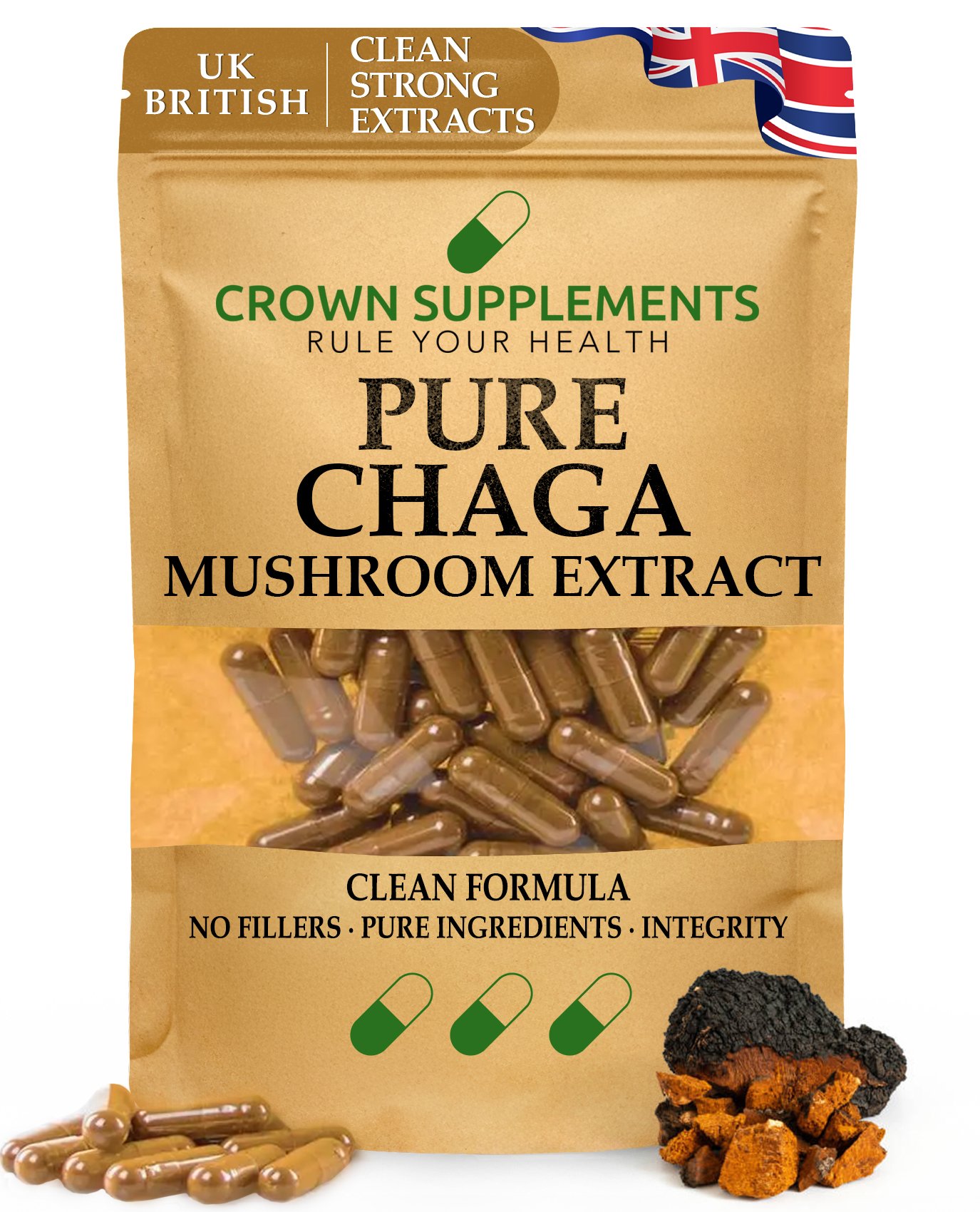
Discover top organic supplements UK to boost health naturally. Explore natural, high-quality products for wellness, detox, muscle support, and more.
Find the best ways to boost energy naturally with the mighty Iron Supplements
Explore how a canine probiotic supplement can enhance your dog’s gut health and overall wellbeing. Perfect for pet lovers seeking natural solutions!

Discover effective herbal remedies for hayfever. Learn about nettle, butterbur, quercetin and more to naturally manage your seasonal allergy symptoms.

Explore bee pollen uk benefits, sourcing, and usage. Learn about potential risks and how to choose quality local British bee pollen.
Explore the potential health benefits, nutrition, risks, and uses of bee pollen pills. Get informed before adding this natural supplement to your routine.