

Supplement Buying Guides

Top Organic Supplements in the UK That Really Work
Discover top organic supplements UK to boost health naturally. Explore natural, high-quality products for wellness, detox, muscle support, and more.
 Skip to content
 Spring is synonymous with baby animals, blooming flowers and of course, daffodils. These cheerful yellow flowers known as a daffodil, with their distinctive trumpet-shaped center, are a sure sign that winter is over and warmer days are here.
But this springtime favorite is more than just a pretty face. What if a remedy for alzheimerâs patients was hidden in plain sight, sitting quietly in the garden, waiting to be unearthed?
That’s exactly what’s happening with welsh daffodils. Major pharmaceutical companies are investing in welsh hill farmers but why?

While daffodils themselves won’t prevent or cure Alzheimer’s, they contain a compound called galantamine. From memory loss to cognitive decline, this compound is part of the arsenal used to combat Alzheimer’s symptoms.
Memory and learning are what acetylcholine is all about. So, to make sense of galantamine, we’ve got to take a closer look at this mighty neurotransmitter.
Unfortunately, Alzheimer’s patients often experience a significant decline in acetylcholine levels.
Acetylcholine is under constant attack by acetylcholinesterase, but galantamine throws a wrench in the works, prohibiting the enzyme from degrading this crucial neurotransmitter.
Cognitive decline linked to Alzheimer’s might just slow down thanks to this process, which gives acetylcholine levels a significant lift. Think of it like this – by blocking the “breakdown crew,” galantamine keeps more acetylcholine “on the job.”
Some research has shown that specific types of daffodils, like the RHS flower Narcissus pseudo narcissus, produce higher levels of galantamine when you grow daffodils in certain conditions.
Biology Professor Trevor Walker noticed this while growing daffodils at a higher sea level elevation. He observed that daffodils grown at 1,400 feet in the Black Mountains of Wales contained greater concentrations of natural galantamine than those grown at lower altitudes.
The conclusion of our research marked the beginning of a new chapter, literally – our work was published shortly after. Located in the heart of the UK, Wales embraces a rapid pace of progress.
A Welsh government science journal recently gained widespread attention, interesting folks like sheep farmer Kevin Stephens among many others welsh farmers.
Inspired by Professor Walker’s discovery, Stephens’ Welsh bioresearch company Agroceutical Products, embarked on a remarkable journey. From sheep farming to drug markets.
Deep in the Black Mountains, daffodils bloom under the care of this company, which produce galanthamine they produce and sells it to major drug manufacturers like powys-based bioresearch company/ development company called alzeim.
But obtaining sufficient amounts of galantamine from daffodils is no easy feat. To coax the most galantamine out of daffodils, experts carefully breed select varieties and engineer ways to access the compound, from initial extraction to final purification.
Breaking ground in cutting-edge life sciences research demands substantial investment and focused expertise – resources that Agroceutical has reliably accessed through partnerships with leading bodies like Innovate UK and the Biotechnology and Biological Sciences Research Council.
Alzheimer’s researchers are veering off the beaten path, leading them straight to the threshold of a major breakthrough, and it’s all thanks to the simple, yet extraordinary, daffodil. Imagine a future where the cure for Alzheimer’s comes from nature itself.
That’s the tantalizing prospect emerging from the latest research, which is using plants to develop groundbreaking treatments that are gentle on the environment. Imagine an Alzheimer’s prescription that outperforms everything currently available – that’s the promise of this latest discovery.
After daffodils have bloomed, it’s best to leave the foliage intact for at least six weeks. This period allows the leaves to produce energy for the bulb to store for next year’s growth. Once the leaves turn yellow and wither, you can then remove them.
In the UK, daffodils typically bloom between late February and April. However, specific blooming times can vary depending on the species, weather conditions, and geographical location within the UK. For example, daffodils may bloom earlier in lower lying areas than those in the hills.
You should leave the foliage of daffodils after they flower for at least six weeks. Avoid cutting or tying back the leaves, as it can affect the bulb’s ability to store energy for next year.
Daffodils prefer a sunny to partially shaded location with well-drained soil. Plant the daffodil bulbs in the fall, pointy side up, at a depth of about twice their bulb’s height.
After blooming, allow the foliage to die naturally before removing it. Apply a balanced fertilizer after blooming to replenish nutrients.
Just when you thought daffodils were simply a harbinger of warmer days, they surprised us by hiding a secret: their surprising ability to combat a challenging health condition.
With organizations like Agroceutical Products, we see a dedicated effort to bring a plant-based treatment to those suffering from memory loss and other Alzheimer’s symptoms.
It’s not too much to ask that the daffodil, a beacon of hope in the late winter landscape, brings people together in a shared sense of possibility – regardless of the flower’s color or variety.
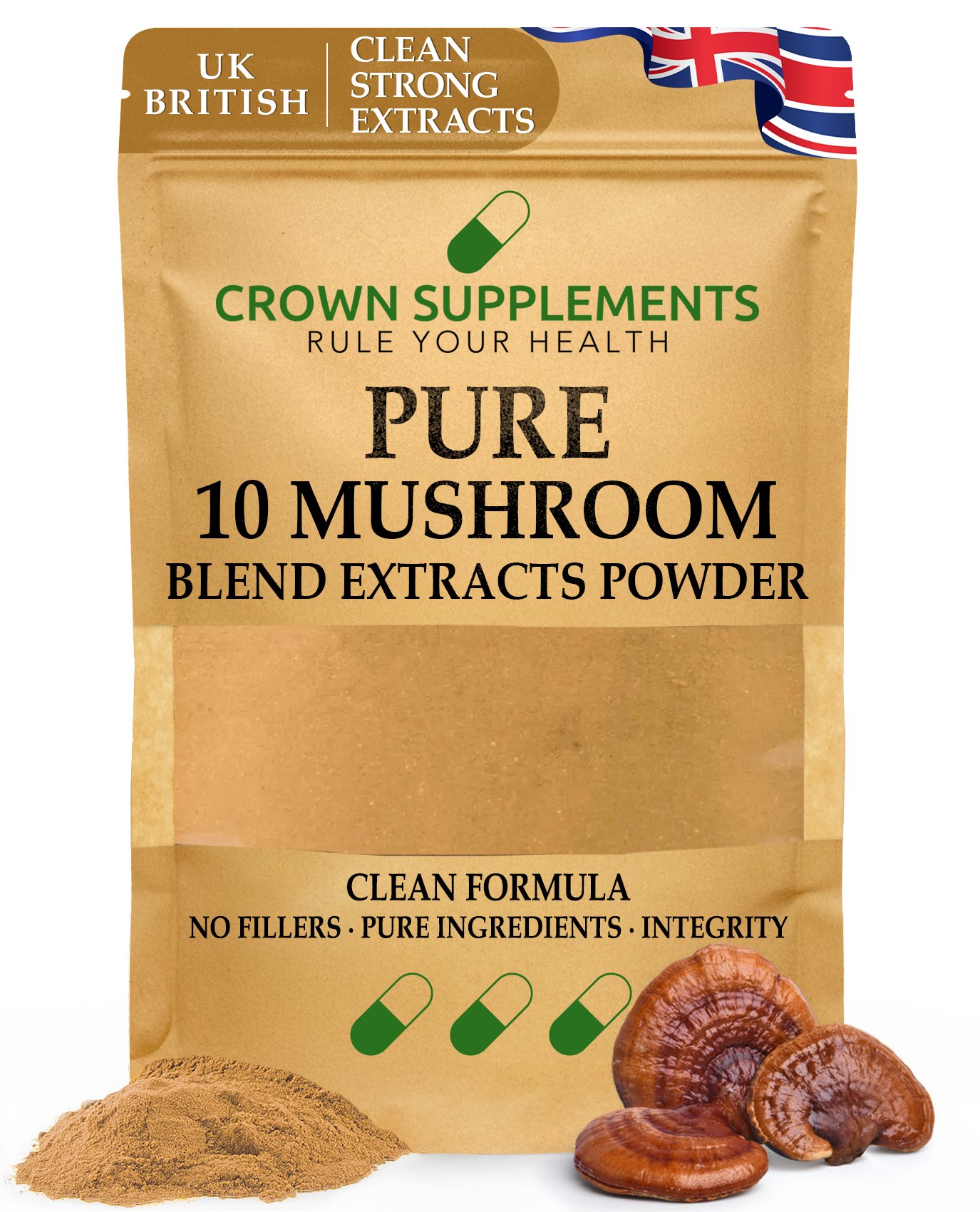
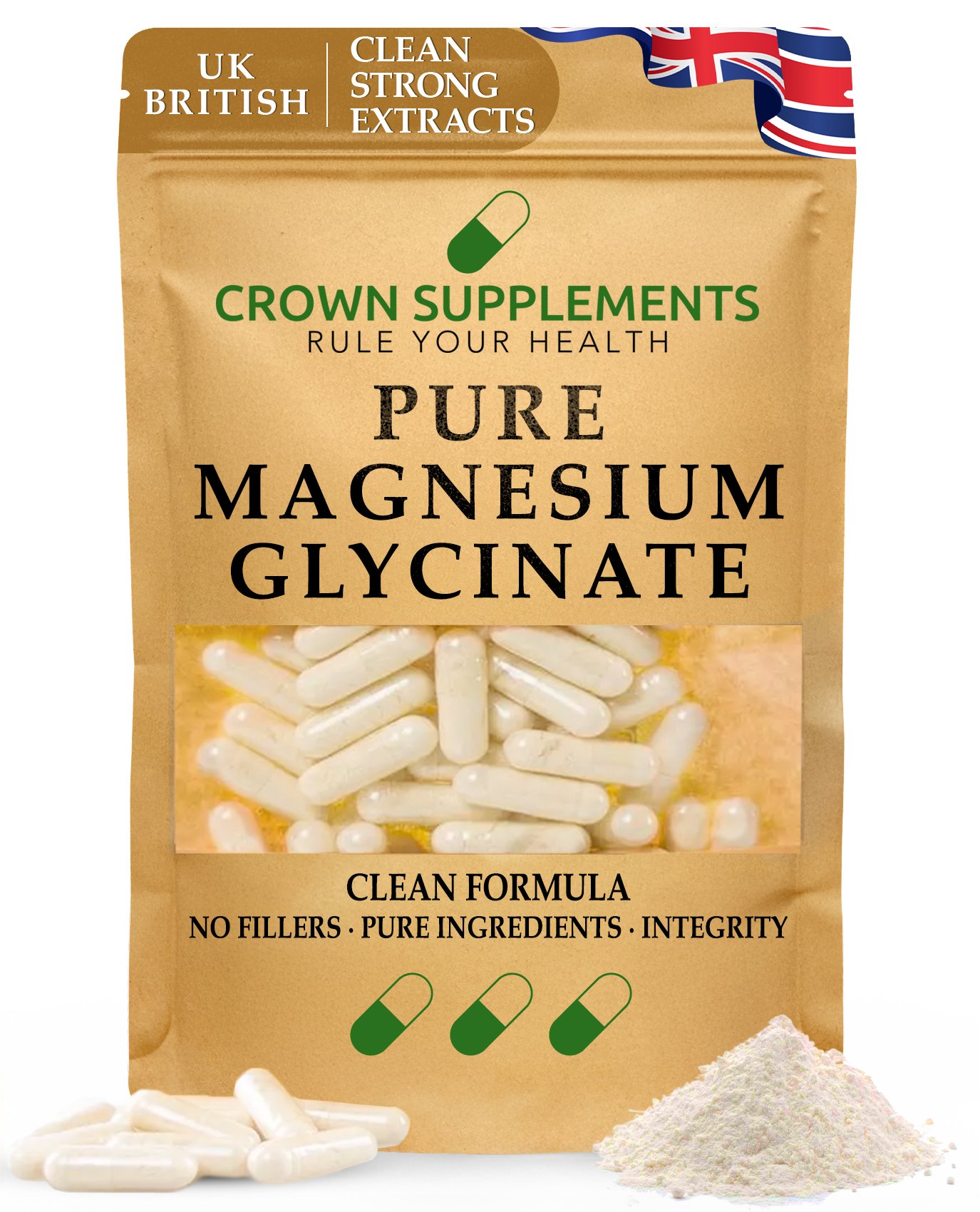


Discover top organic supplements UK to boost health naturally. Explore natural, high-quality products for wellness, detox, muscle support, and more.

Find the best ways to boost energy naturally with the mighty Iron Supplements
Explore how a canine probiotic supplement can enhance your dog’s gut health and overall wellbeing. Perfect for pet lovers seeking natural solutions!
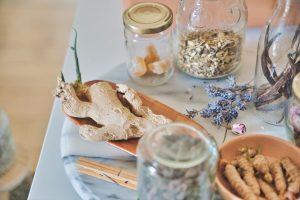
Discover effective herbal remedies for hayfever. Learn about nettle, butterbur, quercetin and more to naturally manage your seasonal allergy symptoms.
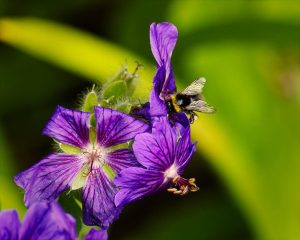
Explore bee pollen uk benefits, sourcing, and usage. Learn about potential risks and how to choose quality local British bee pollen.
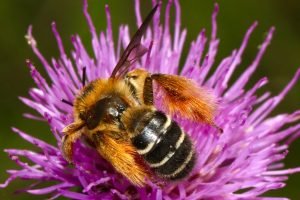
Explore the potential health benefits, nutrition, risks, and uses of bee pollen pills. Get informed before adding this natural supplement to your routine.