Unlocking the Power of Echinacea Seeds: From Garden to Wellness
Echinacea seeds have caught on with both green-thumbed enthusiasts and health devotees. Native Americans have used echinacea for centuries to address various ailments, as evidenced by this study .
The traditional charm of echinacea seeds is getting a fresh makeover, appeals to health-conscious shoppers and environment advocates alike who crave a wholesome, backward-and-forward approach to gardening and wellness. Unravel the fascinating story of echinacea seeds, from how they’re grown to the compelling research behind their potential to boost our health. Whether you’re a seasoned gardener looking to add a new plant to your collection or are simply someone interested in natural remedies, understanding echinacea seeds can open up a world of possibilities.
Echinacea, commonly known as coneflower, belongs to a group of flowering plants in the daisy family. While nine species exist, only three are typically used in herbal supplements: Echinacea purpurea, Echinacea angustifolia, and Echinacea pallida , as highlighted in this research. Many perennial plants would shy away from the diverse climates of North America, but not these resilient species – they’ve got the chutzpah to thrive in any condition.
Echinacea flowers stand out from the crowd due to their remarkably high concentration of active compounds, which is truly remarkable. Caffeic acid, alkamides, phenolic acids, rosmarinic acid, and polyacetylenes are just a few of the superheroes found in echinacea, all working together to bring you amazing benefits. The real magic happens when you look at the compounds within the plant, since they’re the driving force behind its potential health perks. Echinacea is a plant that effortlessly moonlights as a calming tea, packs a potential health punch.
Unlock the full potential of your body with the mighty antioxidants. Echinacea Tea.
Echinacea health benefits and Immune Health: Separating Fact from Fiction
Perhaps the most well-known purported benefit of echinacea is its potential to support immune health, immune function and our body fight infections and the common cold. Ever stopped to think about how echinacea could be making a real difference in our battle against bugs and germs? Some studies have hinted that it might actually be stimulating our immune system to fight harder, resulting in a speedier recovery from illnesses like respiratory infections, ear infections, urinary tract infections.
Researchers have explored the hopeful advantages of echinacea. You’ll find investigations like these and many others on As scientists dive into the unknown, PubMed is often their first port of call, fueled by an staggering repository of biomedical research publications primed to spark innovation. , here. By exploring echinacea’s properties, we can uncover potential ways to tackle a range of health issues. The incredibly adaptable echinacea is available not only as a concentrated extract but also as a versatile powdered form. Each form might have its own set of benefits.
It’s wise to scrutinize these claims, to separate fact from fancy. A review of studies found that while echinacea might reduce the risk of developing an upper respiratory tract infection, there was no significant effect on the duration of illness, as shown in this study . Some experts think the benefits seen in certain studies might be a fluke, rather than a direct result of echinacea – a claim supported by the evidence. Stuck on a problem? Look closer. Careful scrutiny can lead to breakthroughs, helping you find solutions that might have gone unnoticed otherwise. .
Blood Sugar Management
Some studies suggest that echinacea may play a role in blood sugar management. In a test-tube study, an extract of Echinacea purpurea was found to suppress enzymes that digest carbohydrates. This could potentially reduce the amount of sugar entering the bloodstream, according to this research .
Anxiety Reduction
Anxiety affects nearly 7% of adults in the United States, as per this study , and some research suggests that echinacea vegetable seeds might help. Compounds found in echinacea, including alkamides, rosmarinic acid, and caffeic acid, may have anxiety-reducing properties, according to this article .
Buried in the complexity of natural remedies lies a gem: echinacea extract has been shown to hold real promise for anxiety sufferers. By taking 40 milligrams of the extract twice daily for a week, participants in a recent study were able to quiet their anxious minds and feel a sense of calm, unlike those who received a placebo.
Growing echinacea from flower seeds is a clever move for anyone seeking a natural, budget-friendly solution – it’s like getting all the goodness of this amazing plant at a fraction of the cost. Growing your own echinacea allows you to ensure the quality and purity of the herbs you use. Successfully growing echinacea starts with understanding its preferred growing conditions, such as the right soil type and adequate sunlight.
Here’s a table summarizing the key benefits of growing echinacea from flower seeds:
Benefit
Description
Cost-effective
Seeds are much cheaper than buying mature plants or supplements.
Quality control
You control the growing conditions and avoid pesticides.
Sustainability
Reduces carbon footprint associated with transportation and packaging.
What if we could pinpoint the one thing that makes our planet habitable? It’s not just one thing – it’s the collective power of all living species, combined in a complex dance that keeps our ecosystems humming. That’s the magic of biodiversity.
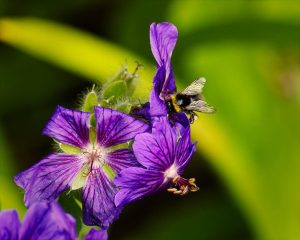
Helping local pollinators flourishes, and in return, they repay you with a lush, resilient garden that’s a joy to behold.
You’re about to embark on a journey that goes beyond cultivating a plant – it’s an investment in your physical and mental resilience. Long before today’s synthetic medications, people reached for echinacea to tap its natural healing potential.
Safety Considerations and Precautions
While echinacea is generally considered safe for short-term use, according to these studies: study 1 and study 2 , be aware of potential risks and interactions, skin concerns or a sore throat. While the jury’s still out on long-term safety, some studies suggest it might be okay. But we need more data to be certain. Since echinacea can be a long-term commitment, it’s vital to educated yourself on what unwanted effects might arise along the way.
If you’re tempted to try echinacea, remember: a healthcare expert’s input is crucial, especially if you’re already dealing with health problems or taking prescriptions. One size fits all? Not when it comes to advice.
FAQs about echinacea seeds
Are Echinacea easy to grow from seed?
Yes, echinacea seeds are relatively easy to grow. They prefer well-draining soil and full sun. With proper care, including regular watering and thinning of seedlings, you can successfully grow echinacea from seeds.
How do you get Echinacea seeds from a plant?
To collect echinacea seeds, wait until the flower heads have dried and turned brown. Cut the heads off and place them in a paper bag. Shake the bag to release the seeds, then separate them from the chaff. Store the seeds in a cool, dry place until you’re ready to plant. Imagine having a personal seed bank, bursting with freshly harvested seeds from your very own garden, waiting to sprout into life when the seasons change.
Hold up, why steer clear of Echinacea?
While generally safe for most people, some individuals should avoid echinacea. This includes people with autoimmune disorders, those taking immunosuppressant drugs, and individuals allergic to plants in the daisy family. The safety-first approach is a must here: consult your healthcare provider before using echinacea, as they can assess any potential risks given your unique health profile. Discussing echinacea use with a doctor is crucial, as it may clash with certain medications you’re taking.
Conclusion
Echinacea seeds kick-start more than a lovely garden – they’re a doorway to a wealth of healthy perks and environmentally friendly habits. Take a closer look at echinacea plants and you’ll uncover a multitude of rewards: their rich antioxidant stores, capacity to shield our immune systems, ability to regulate blood sugar, and – as an added bonus – their skincare benefits that bring a warm, healthy glow to our complexions. Echinacea’s benefits are still being revealed, but growing it from seeds offers a deeper, hands-on understanding – one that’s uniquely yours.
_approach echinacea use like you would any other supplement: with a critical eye and a deep understanding of how it might affect your body. Got health concerns or take prescription meds? Don’t skip that important conversation with your healthcare provider – it’s better to be safe than sorry. From small seeds come mighty plants, and understanding echinacea’s value means balancing the knowledge passed down through generations with what we’re learning today. So you want to unlock echinacea’s secrets? First, you need to learn how to use it in a way that’s both safe and effective.
From the seed up, echinacea holds secrets waiting to be uncovered by curious individuals – hobby gardeners, health-minded enthusiasts, or anyone intrigued by this ancient flower. As you cultivate the seeds, a sensational new addition to your garden will emerge – lavish purple flowers that might just become your newest, and most dependable, wellness secret. Ever wondered what makes echinacea such a celebrated herb? For starters, its versatility knows no bounds – from comforting cups of tea to empowering extract-based remedies that tackle wellness from every angle.
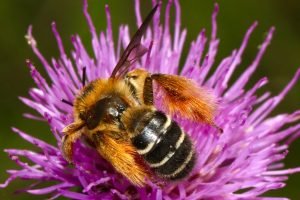
Explore the potential health benefits, nutrition, risks, and uses of bee pollen pills. Get informed before adding this natural supplement to your routine.
We respect your privacy! You can control which cookies you allow on our site to ensure you get the best experience
Functional
Always active
The technical storage or access is strictly necessary for the legitimate purpose of enabling the use of a specific service explicitly requested by the subscriber or user, or for the sole purpose of carrying out the transmission of a communication over an electronic communications network.
Preferences
The technical storage or access is necessary for the legitimate purpose of storing preferences that are not requested by the subscriber or user.
Statistics
The technical storage or access that is used exclusively for statistical purposes.The technical storage or access that is used exclusively for anonymous statistical purposes. Without a subpoena, voluntary compliance on the part of your Internet Service Provider, or additional records from a third party, information stored or retrieved for this purpose alone cannot usually be used to identify you.
Marketing
The technical storage or access is required to create user profiles to send advertising, or to track the user on a website or across several websites for similar marketing purposes.



 Skip to content