Female Bodybuilder: Empowering Strength and Confidence
Entering the world of weight training and muscle building as a female bodybuilder can be a daunting experience. There’s a ton of advice out there, but a lot of it focuses on male athletes.
When I first started, figuring out how to tailor this information to my needs was a big challenge. My goal as a female bodybuilders was, and still is, to build strength and lean muscle while staying healthy. I didn’t want to just look strong – I wanted to bestrong. Over time, I realized that becoming a female bodybuilder wasn’t about achieving a specific look.
It was more about pushing boundaries, discovering my strength, and building resilience, both physically and mentally. People like Iris Kyle and my certified personal trainer inspired me to look beyond my body type and push my muscle strength further than I thought possible.
Just like any form of exercise, you need the right tools for success. When it comes to female bodybuilder training, nailing the basics and getting stronger over time should be the priority. However, women’s bodies respond differently to weight training.
Understanding Your Body – Muscle Size
Women can lift as heavy as men, but hormonal differences play a role in how our bodies recover, particularly during our menstrual cycles. Paying attention to your energy levels and making necessary adjustments is important. I adjust my workout intensity throughout the month and rely on things like supplements to increase muscle recovery when I need to.
Focusing solely on aesthetics is a mistake. You should also prioritize recovery, consistency, and proper form. If you’re new to weight training, using machines to keep your body aligned is beneficial.
Once you have a solid foundation, you can move to free weight training , which typically engages more muscle groups. No matter your level, make sure you’re properly warming up before every workout. Stretching and foam rolling help target key areas, like your hamstrings, calves, and quads.
Training Schedule Examples – Bench Press
There are tons of different ways to build muscle and train for a bodybuilding competition. You’ll find many routines focus on working one body part per day, split into a five-day schedule.
You could follow a plan similar to this:
Day 1:
Day 2:
Day 3:
Day 4:
Day 5:
Day 6:
Day 7:
Chest
Back
Shoulders
Legs
Arms
Rest
Rest
Personally, I like to work on muscle groups twice a week with alternating push, pull, and leg days, like this:
Day 1:
Day 2:
Day 3:
Day 4:
Day 5:
Day 6:
Day 7:
Push
Pull
Legs
Push
Pull
Legs
Rest
Whichever you choose, consistency is critical. Stick to your schedule as closely as possible to make real progress as a female bodybuilder. Logging your exercises, weights, and reps helps track progress, which is one of the keys to success.
Nutrition: A Vital Component – Lifting Weights
Weight training and bodybuilding go beyond what happens in the gym. Nutrition is a huge part of it. Without the right nutrients, it’s going to be tough for any female bodybuilder to see gains.
Protein helps with gain muscle, while healthy fats keep you satiated. And complex carbs give you the energy to power through those intense beginner weight training program sessions.
This means cutting out highly processed foods and getting a good amount of protein. Aim for one gram of protein per pound of bodyweight, splitting your intake between several meals throughout the day.
Macronutrients and Weight Loss – Women’s Bodybuilding
Low-carb diets have become a popular approach to weight loss, but they’re not necessarily a good idea for every female bodybuilder. While you might lose weight at first, low-carb eating could impact your health long-term.
Consistently low carb intake can disrupt a woman’s hormone balance. Some studies, like this research published by the UK Parliament, have shown this can lead to side effects like low bone density, poor sleep quality, and even missed periods. This is because low energy levels from a lack of carbs send stress signals to your body.
Bulking and Cutting: Is it Necessary?
You’ll probably hear the terms ‘bulking’ and ‘cutting’ when it comes to
female bodybuilding
. Essentially, these mean increasing your caloric intake (bulking) to support muscle growth, then reducing it (cutting) to decrease body fat. You will want to manipulate your daily caloric intake to find what is best for you.
But a clean, healthy diet year-round should be your main priority, along with making gradual adjustments during bulking and cutting phases. Don’t try to lose or gain a drastic amount of weight in a short period, and listen to what your body is telling you.
Female Bodybuilding
Supplements: Are They Helpful?
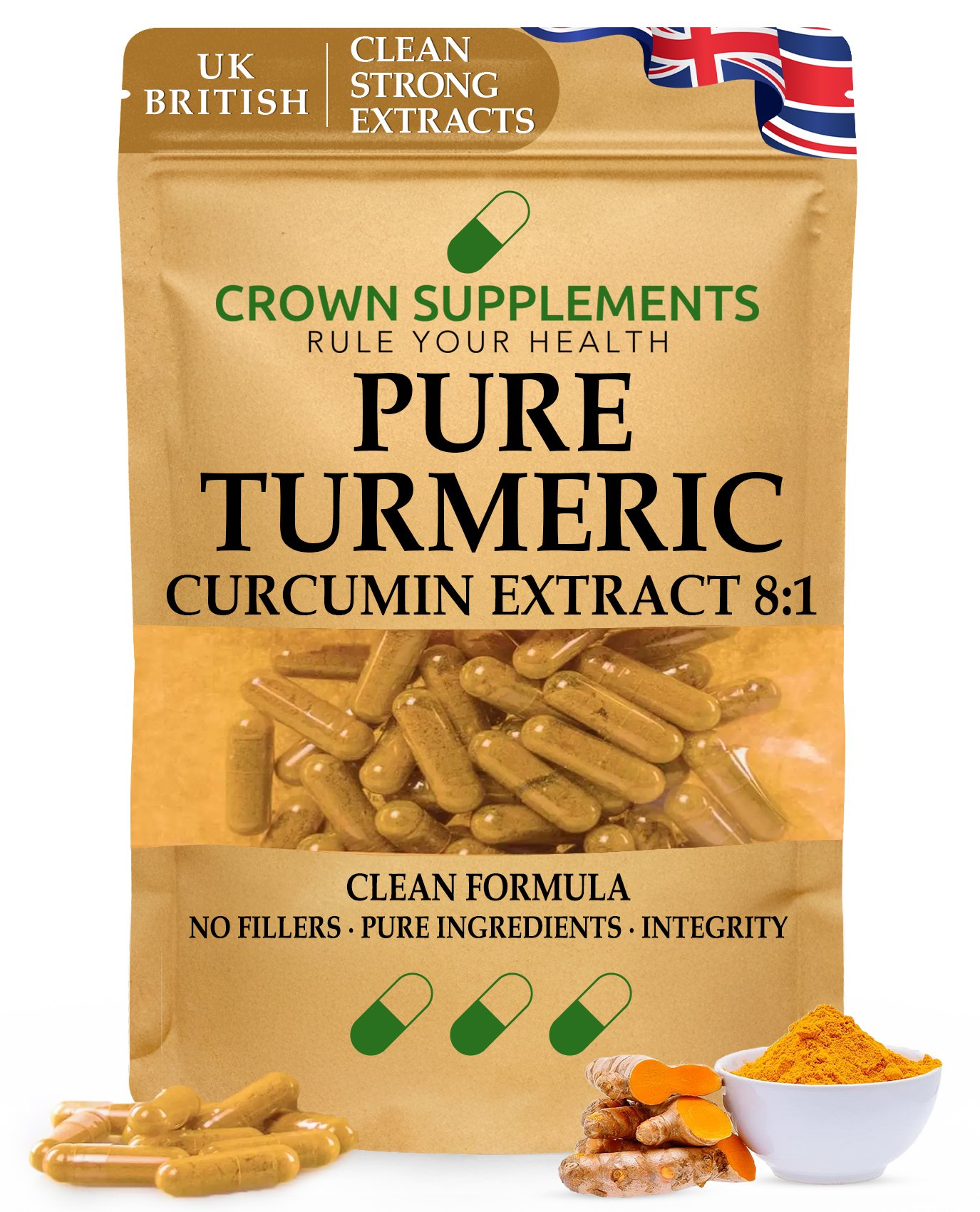
When it comes to female bodybuilder supplements, many opinions and ideas exist. The reality is, you can make incredible gains through consistent training and the right nutrition alone. But many female bodybuilders choose to take supplements to support their training, improve recovery time, and get the specific nutrients their bodies need. Some common supplements include:
Whey protein for building and repairing muscle.
Creatine to increase power during workouts.
Omega-3 fatty acids to reduce inflammation and support overall health.
Magnesium for better sleep and recovery.
BCAAs for muscle growth.
While supplements can be helpful, do your research, understand what your body needs, and speak to a health professional if necessary. And always look for reputable, natural options if possible.
The road to becoming a successful female bodybuilder isn’t always smooth sailing. You’ll face moments when it seems easier to skip the gym or pick up a fast food burger instead of making a healthy meal. That’s when having strategies in place can help keep you going. This is as much a mental challenge as it is a physical one. You will want to have good mental strength to become a female bodybuilder.
Joining online forums and surrounding myself with other female bodybuilders was incredibly helpful for me. Hearing their stories, learning about their struggles and how they stay on track was a big motivation boost.
The camaraderie I discovered was so much more than just sharing tips on training and supplements – it was about a shared experience of overcoming challenges. I also hired a coach who specializes in female bodybuilder training.
She emphasized the importance of proper strength training techniques, particularly for women, and helped me create a power track for strength and hypertrophy training. Plus, she really helped reassure me about something I think a lot of women starting out worry about: lifting heavy.
Turns out, heavy lifting won’t turn you into a bulky she-hulk, contrary to what many seem to think. I found that as I gradually added weight, it actually helped to sculpt a leaner, more defined physique. My coach explained this is all part of hypertrophy training, which is essential for muscle growth.
If you choose to hire a coach, make sure you research potential options and choose someone who specializes in working with women. And keep in mind that, as you get stronger, testing your limits with weights and reps is important to maintain that training intensity. But, do so in a safe, controlled way, following proper form and using a spotter when necessary.
Finding Your Path – Competitive Bodybuilder IFBB Pro
Just like you won’t use a cookie-cutter program in the gym, your bodybuilding journey will be your own. It can be helpful to see what’s worked for other successful women, though.
Finding a successful female bodybuilder who inspires you can be helpful. Learning how she manages her time, tackles obstacles, and pushes herself is a great way to keep you going.
Successful Female Bodybuilders Throughout History – Fitness Model
Many trusted experts believe Rachel McLish paved the way for modern-day
female bodybuilding
when she became the first Ms.Olympia champion in 1980, a rising phoenix. Another early pioneer is Juliette Bergmann. Starting in 1982, she earned nearly every bodybuilding award imaginable, even clinching the title of European and World Champion.
Moving into more recent history, Lenda Murray remains a bodybuilding legend after joining the competitive circuit in 1988. Lenda achieved her first Ms. Olympia win at the age of 28 and her last at an impressive 41 years old. This goes to show the longevity possible in the world of
female bodybuilding
. Lenda’s goal throughout her career was a balanced, strong physique. This highlights something I feel is really important for aspiring female bodybuilders to remember – focus on a holistic approach. Take care of your health, not just your aesthetics.
Another inspiring woman who embodies a healthy approach to
female bodybuilding
is Yaxeni Oriquen-Garcia. In 2005, she became the first Venezuelan woman to win Ms. Olympia , after moving to America to further her bodybuilding career in 1993. Following Yaxeni is Debi Laszewski, ranked number three on the IFBB list of top pro women. Finishing consistently in Ms. Olympia’s top three between 2009 and 2014 certainly helped solidify Debi’s position. Alina Popa comes in fourth on the IFBB rankings. Even though she hasn’t competed since 2018, she remains Romania’s top competitor. She’s never fallen out of the top five for any competition, with the exception of her first. This proves dedication and consistent hard work pay off.
Social Media and Inspiration:
Female Bodybuilding
Online
One of the best things about being a female bodybuilder these days is finding a sense of community online. Fitness influencer Erin Teigen is one of the biggest female bodybuilder presences on TikTok, using the platform to share everything from training tips to insights on what it’s like prepping for competitions.
She’s not the only female bodybuilder sharing tips and training insights online. Many women find they make better gains when they use a personal trainer . Jessica Buettner openly shares her journey with Type 1 diabetes and her dedication to achieving success as a powerlifter. Her Instagram and TikTok are full of posts that show her training, how she keeps a healthy, strong physique, and snippets of her path to becoming a world champion. Her transparency about managing Type 1 diabetes alongside her training is incredibly inspiring to women with chronic illnesses who want to achieve their fitness goals.
Another female bodybuilder worth following online is Emma Hartley. She regularly shares in-depth videos documenting her intense weightlifting routines with her 222.7K followers on TikTok. In her videos, she shares how to add weight as she gets stronger.
While there’s no definitive answer, Rachel McLish is often regarded as the most famous female bodybuilder, largely due to her pioneering win as the first Ms. Olympia in 1980.
Who is the most buff woman in the world?
The title of “most buff” is subjective and constantly changes as new athletes emerge. Determining who holds this title can depend on a range of criteria, including muscle mass, body fat percentage, and competition results.
Who is the strongest female bodybuilder?
Again, pinpointing the strongest female bodybuilder isn’t simple, as “strongest” could be measured in various ways, from lifting capacity to overall performance.
Who is the female bodybuilder over 6 feet?
Information about specific female bodybuilders’ heights isn’t always readily available. To determine this would likely require in-depth research and comparison of female bodybuilders.
Female Bodybuilder
Conclusion
Getting started on the road to becoming a female bodybuilder doesn’t have to be intimidating. By remembering the key components—training, nutrition, recovery, and finding your motivation—and continually striving for strength and progress, any woman can achieve great results in this sport. Learning about the journeys and insights of successful female bodybuilders who have already paved the way in the sport is a powerful reminder of what’s possible with the right dedication.
Explore the potential health benefits, nutrition, risks, and uses of bee pollen pills. Get informed before adding this natural supplement to your routine.
We respect your privacy! You can control which cookies you allow on our site to ensure you get the best experience
Functional
Always active
The technical storage or access is strictly necessary for the legitimate purpose of enabling the use of a specific service explicitly requested by the subscriber or user, or for the sole purpose of carrying out the transmission of a communication over an electronic communications network.
Preferences
The technical storage or access is necessary for the legitimate purpose of storing preferences that are not requested by the subscriber or user.
Statistics
The technical storage or access that is used exclusively for statistical purposes.The technical storage or access that is used exclusively for anonymous statistical purposes. Without a subpoena, voluntary compliance on the part of your Internet Service Provider, or additional records from a third party, information stored or retrieved for this purpose alone cannot usually be used to identify you.
Marketing
The technical storage or access is required to create user profiles to send advertising, or to track the user on a website or across several websites for similar marketing purposes.


 Skip to content