

Supplement Buying Guides

Top Organic Supplements in the UK That Really Work
Discover top organic supplements UK to boost health naturally. Explore natural, high-quality products for wellness, detox, muscle support, and more.
 Skip to content
 These days, everyone seems to be talking about the MCT oil benefits and for good reasons. Medium-chain triglycerides (MCTs) oil is man made from a process called fractionation, which is used to isolate the MCT from coconut oil or palm kernel oil. MCT oil generally contains either 100% caprylic acid , 100% capric acid , or a combination of the two.
This concentration of MCT oil packs a punch of additional health benefits, when compared to simply coconut oil. From boosting energy levels to promoting weight loss, MCT oil has generated a lot of buzz in the health and wellness world.
But what exactly is it about these medium-chain triglycerides (MCTs) that make them so special? Buckle up as we unpack the science behind MCTs, explore the potential MCT oil benefits, and see how they might fit into your wellness routine.

You’re probably familiar with triglycerides – they’re a type of fat found in food and your body. Most fats, including those found in foods like olive oil, avocados, and nuts, are long-chain triglycerides (LCTs) ( 4). As their name implies, they are made up of longer chains of carbon atoms.
MCTs, on the other hand, have a shorter chain length ( 3). Think of it like this, LCTs are like a bulky piece of furniture you need to carefully disassemble before carrying it through a narrow hallway (your digestive system). This structural difference influences how your body digests and utilizes them.
MCTs are more like a lightweight package, swiftly absorbed (fatty acids in the liver) without needing as much breakdown.
While MCTs naturally occur in various foods, they don’t make up a large proportion. Here are some key sources:
Not all MCTs are made equal. There are four main types, differentiated by their carbon chain length ( 3):
MCT oil supplements are popular, generally comprised mainly of caprylic acid and capric acid, which are metabolized more efficiently for energy. However, some experts categorize lauric acid more like an LCT because its digestion and absorption are slower ( 7, 8).
Now that you know more about what MCTs are, how can you use them part of a balanced diet, how can you reap the potential MCT oil benefits? Remember that individual responses to supplements may differ, and it’s essential to consult with your doctor, especially if you have any underlying health conditions. If you add MCT will your burn fat, is an mct oil diet good?
Curious if MCT oil based benefits weight loss efforts? Some research suggests MCTs may offer an edge. A Small study indicated that compared to LCTs, consuming MCTs might contribute to a slightly lower calorie intake.
MCT oil boosts itself has around 10% fewer calories than the long-chain triglycerides found in foods like olive oil, coconuts and avocados. This slight difference, combined with its unique metabolism, could potentially aid in weight management as part of a calorie-controlled diet/ low-carb diet, resulting in reduced body fat content.
Additionally, since the fatty acids in energy MCTs are readily converted into energy by the liver, they can provide your body with a quick energy source by raising ketone levels. This is particularly appealing to those following a ketogenic diet, which emphasizes fatty acids & saturated fat as a primary fuel source.
Some individuals believe that mct oil benefits include appetite regulation, helping them feel fuller for longer and potentially reducing overall calorie consumption. However, it’s important to approach this claim cautiously. Research regarding MCT oil’s impact on appetite-regulating hormones hasn’t been consistent.
A large analysis of 29 studies actually didn’t find a strong connection between MCT consumption and changes in hunger hormones. More research is definitely needed in this area to determine the extent of its influence ( 7).
If you’re looking to boost your workouts, you might wonder if MCT oil benefits extend to exercise performance. Since they act as a readily available energy source, MCTs might enhance exercise performance by providing an extra energy boost that the body absorbs, especially during endurance activities.
As with many supplements, results can vary widely between individuals consult a doctor if you suffer from heart disease or skin infections.
The ketogenic diet, a low-carb (low blood sugar), high-fat diet, has gained immense popularity. This dietary approach aims to shift your body into a state of ketosis, where it begins burning fat for fuel instead of relying primarily on carbohydrates. Since MCTs are easily converted into ketones by the liver, they are considered a valuable tool for individuals following the keto diet.
In fact, some studies indicate that including ketogenic MCT oil in a ketogenic gluten-free diet can help reach and maintain ketosis. What’s more, it might even ease the sometimes-challenging transition into ketosis by minimizing common side effects like fatigue, brain fog, or what many refer to as the “keto flu” ( 12).
One common way to incorporate MCTs is with MCT oil, a supplement extracted from sources like coconut or palm kernel oil. This oil provides a concentrated dose of MCTs, allowing you to experience their potential benefits. While including natural MCT sources in your diet is a great start, supplementing with MCT oil might be worth considering, especially if you are looking to experience specific benefits, like support during a ketogenic diet.
The best way to consume MCT oil depends largely on your individual tolerance and preference. It generally boasts a neutral flavor and can be easily integrated into your diet:
Incorporating MCT oil doesn’t have to be boring. Here are some simple, yet effective, ideas:
Although MCT oil provides versatility, it’s essential to note that it has a lower smoke point than some other oils ( 19). The smoke point is when an oil begins to break down, affecting its flavor and nutritional value. Stick to using it for lower-heat cooking methods to retain its quality.
While generally considered safe, it’s important to use MCT oil in moderation and pay attention to your body.
Generally, it’s considered safe to consume MCT oil daily, but starting with a lower dose and gradually increasing is crucial to allow your body to adjust. As always, consult your healthcare professional to make sure it’s right for you. They can help you determine an appropriate dosage based on your individual needs and circumstances.
While generally well-tolerated, consuming too much MCT oil, especially when first introducing it, can lead to digestive discomfort such as stomach cramps, diarrhea, or bloating especially if you struggle with gut health. Starting with small amounts and increasing gradually can help minimize these side effects.
Although MCT oil can be part of a healthy weight management plan, attributing belly fat reduction solely to MCT oil isn’t accurate. It’s always important to remember that sustainable weight loss is a holistic endeavor that includes diet and exercise.
MCTs are rapidly metabolized into ketones, which some studies suggest might serve as an alternative energy source for the brain, especially in those with cognitive decline or conditions like Alzheimer’s disease. It’s a developing area of research, with promising preliminary findings.
In summary mct oil benefits, the research is ongoing but promising in certain areas like weight management and providing quick energy, making it especially popular among those following the keto diet. If you’re considering incorporating it into your daily routine, it’s best to start slow, observe your body’s reaction, and choose a reputable brand. Most importantly, don’t hesitate to discuss with your doctor to see how mct oil benefits might fit into your individual health and wellness journey.

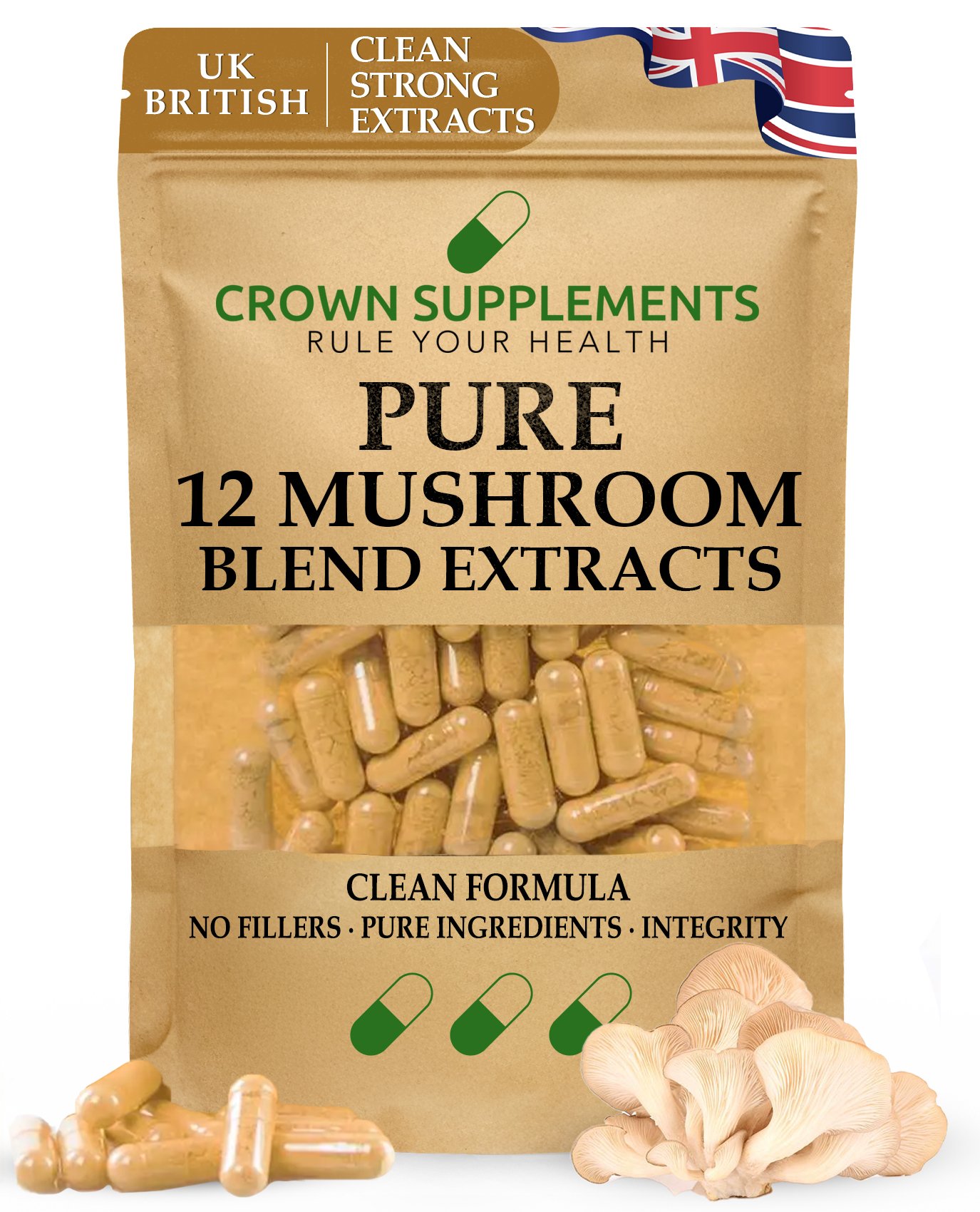
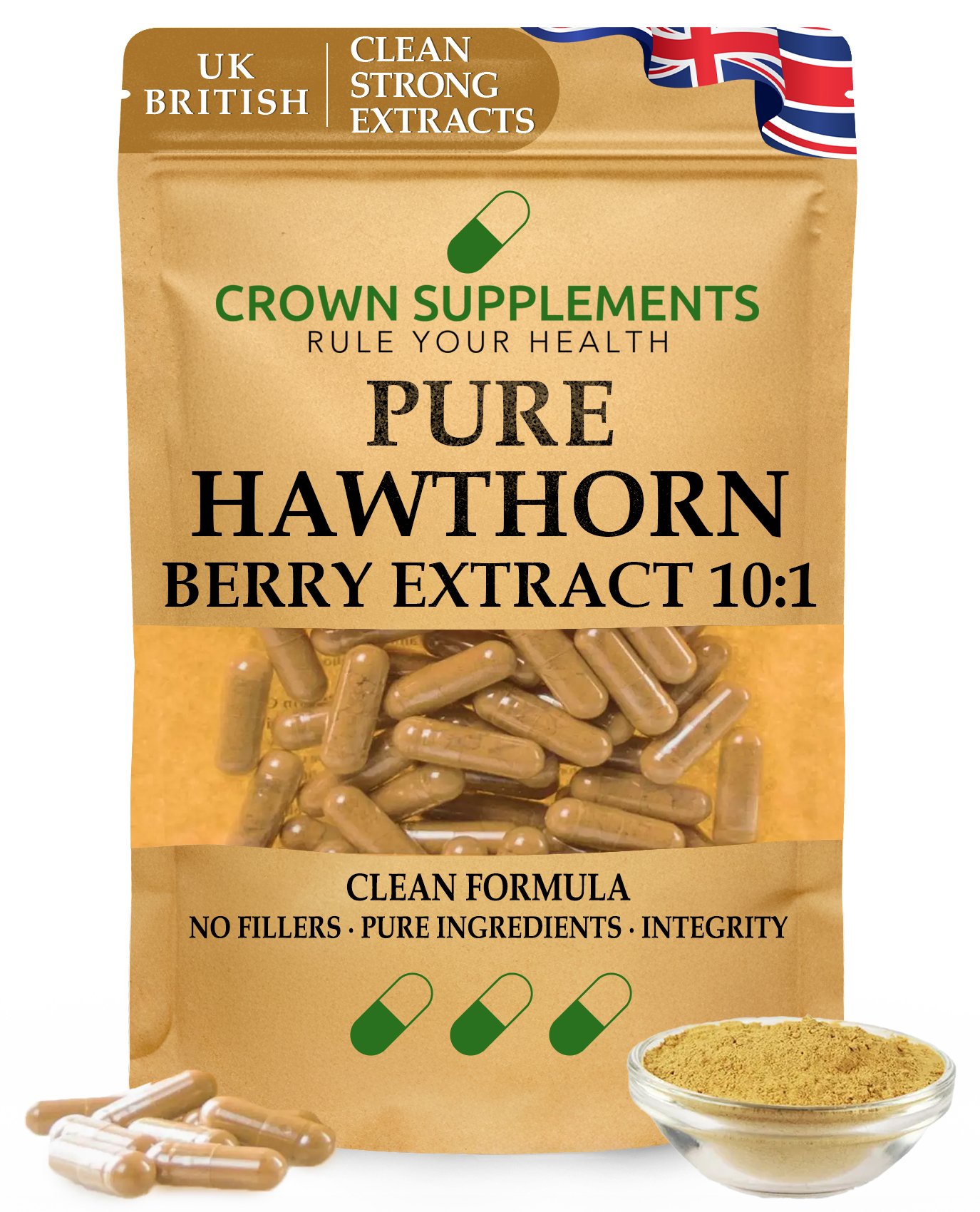

Discover top organic supplements UK to boost health naturally. Explore natural, high-quality products for wellness, detox, muscle support, and more.

Find the best ways to boost energy naturally with the mighty Iron Supplements
Explore how a canine probiotic supplement can enhance your dog’s gut health and overall wellbeing. Perfect for pet lovers seeking natural solutions!

Discover effective herbal remedies for hayfever. Learn about nettle, butterbur, quercetin and more to naturally manage your seasonal allergy symptoms.

Explore bee pollen uk benefits, sourcing, and usage. Learn about potential risks and how to choose quality local British bee pollen.

Explore the potential health benefits, nutrition, risks, and uses of bee pollen pills. Get informed before adding this natural supplement to your routine.