Easing Menopause Joint Pain: Tips for Relief and Comfort
You know how some things in life just sneak up on you? That’s what menopause joint pain felt like for me— a total curveball. As I learned more about menopause, it became clear that I wasn’t alone in this experience—not by a long shot.
It’s estimated that more than 50% of women experience arthralgia (joint pain) or rheumatoid arthritis during menopause. For 21%, joint pain is one of the most disruptive symptoms, according to research published in 2021. But why?
What is it about this transition that seems to menopause symptoms such as trigger aches, stiffness, and all-around discomfort in our joints? I needed answers. This desire for relief – and a passion for sharing helpful info/ latest news – inspired me to understand this common symptom of menopause joint pain.
Understanding the Hormone Connection – Mental Wellbeing
Most women understand that hormonal shifts are a hallmark of menopause. What many don’t realize is the powerful role these hormones play in joint health.
It’s not just about hot flashes/ hot flushes, vaginal dryness pelvic floor and mood swings, though these are certainly no picnic. Our bodies experience a significant decline in estrogen production during menopause.
As it turns out, estrogen is a powerful anti-inflammatory. It also contributes to collagen production, which is crucial for strong, healthy joints.
Research indicates that a reduction in estrogen levels during menopause could be a contributing factor to joint pain. One study from 2010 found a link between lowered estrogen levels and increased reports of joint pain.
But estrogen isn’t the only hormone at play. Our testosterone levels also decline during menopause. Because testosterone plays a role in maintaining muscle mass, this drop can leave us feeling weaker, which may lead to increased strain and pain in the joints.
Joint Pain or Something Else? -Cognitive Behavioural Therapy-
When joint pain flares, it’s important to figure out what you’re really dealing with. It’s easy to assume menopausal symptoms is the culprit for every ache and pain.
However, several conditions can cause joint discomfort. Osteoarthritis and rheumatoid arthritis are two common conditions that share similar symptoms.
Osteoarthritis: -privacy policy-
Research shows a link between osteoarthritis and menopause, although the reasons for the connection aren’t entirely clear. Osteoarthritis, a degenerative joint disease, is known for its wear-and-tear effects on the cartilage that cushions our joints. This cartilage breakdown leads to pain, stiffness, and decreased mobility.
Rheumatoid Arthritis: -musculoskeletal pain-
Unlike osteoarthritis, rheumatoid arthritis (RA) is an autoimmune disorder. This means the body’s immune system mistakenly attacks its own tissues, specifically the lining of the joints (called the synovium).
This attack leads to painful inflammation, stiffness, swelling, and over time, joint damage. While the exact causes of RA are unknown, genetics, environmental factors, and hormonal fluctuations are believed to play a role.
Here’s a helpful breakdown of symptoms to help differentiate between osteoarthritis, rheumatoid arthritis, and general menopause joint discomfort:
Symptom
Osteoarthritis
Rheumatoid Arthritis
Menopause Joint Discomfort
Joint pain Location
Often affects weight-bearing joints such as knees, hips, and spine; can also affect hands, wrists, and feet.
Usually affects the same joints on both sides of the body (symmetrical). Commonly affects wrists, hands, fingers, and feet. Can also affect other joints like elbows, shoulders, neck, knees, ankles, and jaw.
Can affect any joint in the body.
Pain description
Aching, stiffness, particularly in the morning or after inactivity; clicking or cracking sound in the affected joint; pain worsening with use or activity.
Pain, swelling, stiffness, and tenderness; pain worse after rest; stiffness lasting for an hour or more in the morning; fatigue, fever, loss of appetite.
Aching, stiffness, potentially sharp or shooting pains, increased tenderness to touch.
Additional Information
The most common type of arthritis, it develops gradually over time. It affects men more than women before age 50 and is more common in women after age 50.
Can begin at any age but is most common between the ages of 30 and 60. Women are more likely to be diagnosed with RA than men.
Symptoms often fluctuate in intensity, influenced by hormonal levels and other triggers such as stress or changes in weather.
Determining the underlying cause of joint discomfort during menopause is critical. Many women report experiencing pain during this time. Seeking the guidance of a healthcare professional can provide an accurate diagnosis and help you receive appropriate treatment and support.
How I’ve Managed My Menopause Joint Pain – Bone Health
As I mentioned, I definitely dealt with joint discomfort during menopause, particularly in my knees and fingers. In the mornings, the stiffness was the worst. Simply getting out of bed was a battle against discomfort.
Even my daily walk felt more like a chore than the invigorating routine I enjoyed for years. Talking with my healthcare provider was an essential first step. It helped put my mind at ease that joint pain is incredibly common during menopause, and even better, there were steps I could take to manage it.
While research on hormones and menopause’s connection to RA shows conflicting data – with a 2020 study saying there’s no effect and a 2018 study reporting the opposite – additional studies point to menopause potentially increasing the severity of existing RA symptoms.
For me, finding relief meant adopting a multi-faceted approach that involved lifestyle adjustments, natural supplements, and a willingness to listen to my body.
Lifestyle Tweaks to Tame the Aches – Medically Reviewed
Getting Physical (Gently.)
It may seem counterintuitive to exercise when your joints already hurt. Trust me, though, it makes a world of difference. Regular, gentle exercise turned out to be my secret weapon in the fight against menopause joint pain.
It wasn’t about high-impact routines. Low-impact activities like walking, swimming, and cycling are amazing. They get those joints moving without adding extra stress. You might be surprised at how much relief you can find from simply incorporating more movement into your daily life. Try these:
Take the stairs instead of the elevator when possible.
Park a bit farther away from store entrances so you can squeeze in a short walk.
Set a timer to remind yourself to get up and move around for a few minutes each hour, especially if you have a desk job.
It’s like my grandmother always said, “Movement is medicine.” It’s not just about movement, though. Building strength also became a top priority.
Why Strength Training Matters – Managing Symptoms
Strong muscles help support your joints, taking some of the pressure off those achy areas. It’s like building a network of supportive friends for your joints. They’ve got your back (and knees, hips, etc.). Aim for at least two sessions of strength-training exercises per week. Work those major muscle groups to provide extra joint support.
The Power of Stretching
Don’t underestimate the power of a good stretch. Adding regular stretching, like yoga or pilates, has been fantastic for me. It increases my flexibility and helps alleviate that awful morning stiffness. It’s like giving those joints a warm hug.
I always feel a sense of relief afterward. Yoga is especially amazing. Not only is it great for flexibility and range of motion, but it’s also been shown to reduce stress too. And as I’m about to discuss, stress can actually be a major trigger for those pesky joint pains.
Watching What I Eat
Food can either fuel inflammation or fight it—making smart food choices became non-negotiable during menopause. Embracing an anti-inflammatory diet was crucial for me.
Loading up on colourful fruits, veggies, nuts, seeds, and those good-for-you fats found in fatty fish helped me tremendously. Reducing those inflammatory culprits like processed foods, refined carbohydrates, and sugary treats was crucial for dialing down the aches.
Staying Hydrated
Water. It’s essential for life and great for joints. Make sure you’re drinking enough throughout the day— I always keep a reusable water bottle handy to remind myself.
Listening to My Body and RESTING.
Rest and recovery became just as crucial as staying active in my journey. I had to learn (sometimes the hard way) that pushing through the pain only made things worse. Resting my body when it needs it is a must now. I’ve become a big fan of hot or cold therapy— heating pads for those achy joints and ice packs for inflammation—and prioritize quality sleep above everything else. My body—and my joints—thank me for it.
Supplement Support
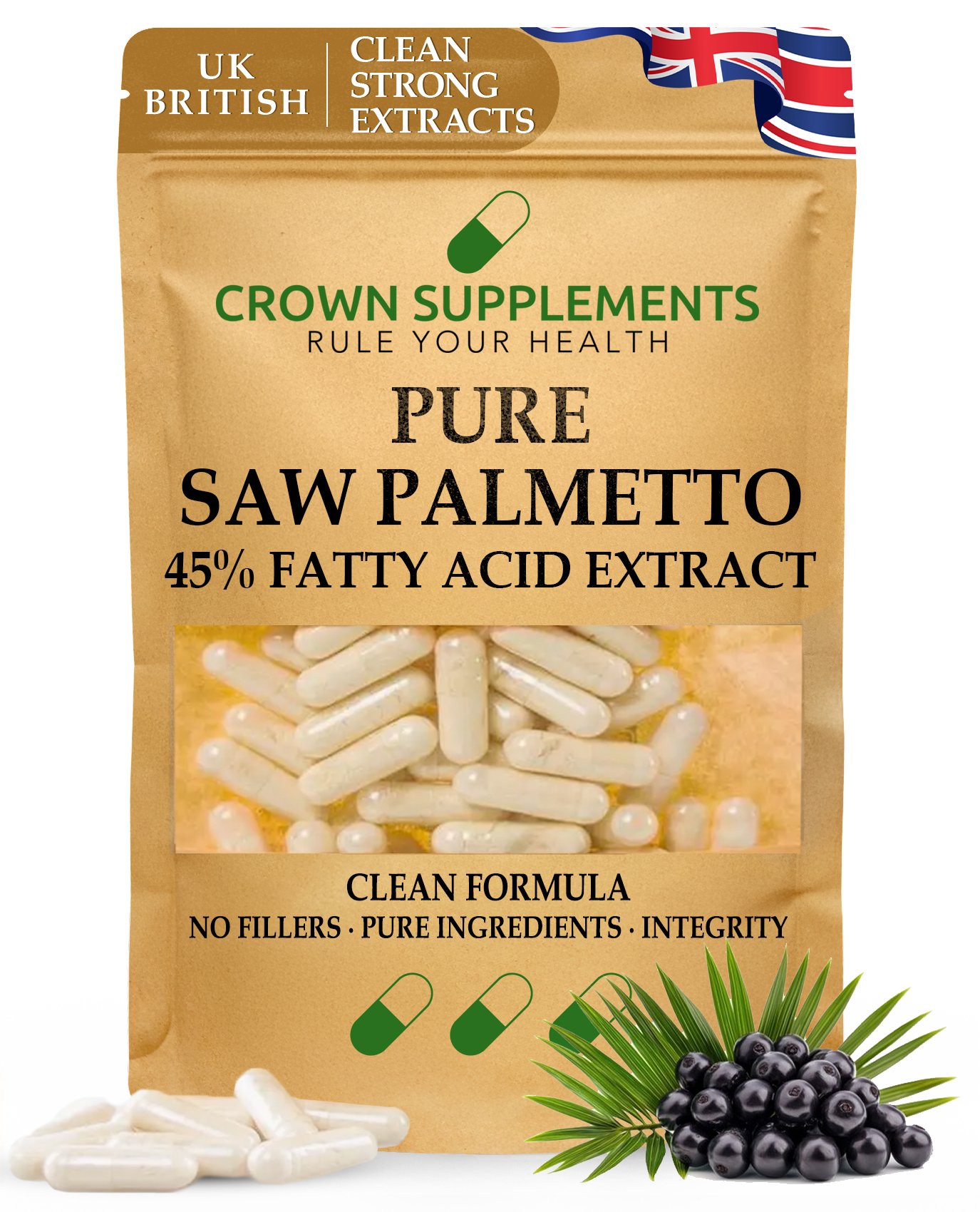
During menopause, it’s not uncommon for our bodies to need a little extra support to get the nutrients they crave. After all those changes and hormonal fluctuations, sometimes diet alone just doesn’t cut it. Incorporating supplements, under the guidance of my healthcare provider, provided some much-needed relief.
Here’s what’s been working for me:
Fish oil: Packed with omega-3 fatty acids—powerful anti-inflammatories that may reduce joint pain. Foods rich in these healthy fats are good sources of omega-3s.
Collagen hydrolysate : Since collagen production declines with age and estrogen loss, adding in a collagen supplement is a game-changer. Think of it as support for those essential building blocks of your joints.
Curcumin (turmeric): This powerful spice boasts anti-inflammatory properties. You can add turmeric to your cooking or take it as a supplement.
Getting Support and Seeking Expert Guidance
Going through menopause, especially with those new and often unexpected symptoms, can feel isolating at times. Don’t be afraid to talk about what you’re experiencing and seek the support of others.
Connecting with other women who understood firsthand what I was going through was invaluable. Sharing experiences, tips, and support within these communities has made me feel less alone in this journey— because this journey is so much easier (and more enjoyable) when you don’t have to navigate it alone. Support is everywhere:
Reach out to friends, family, or colleagues who are also going through or have gone through menopause. Their experiences can be incredibly helpful. They might have helpful tips for managing those joint aches too.
Online forums and support groups focused on menopause and joint health are goldmines of information, practical tips, shared experiences, and encouraging stories.
Leaning on My Healthcare Providers
Of course, consulting with your doctor is crucial throughout menopause. They can address your specific needs. Treatments for menopause vary depending on your overall health and symptoms but range from lifestyle changes to hormone replacement therapy. Since menopause is linked to a decrease in bone density, my physician suggested regular bone density tests .
While my doctor hasn’t recommended hormone replacement therapy (HRT) at this stage, we have talked about it openly as an option should my symptoms change.
The information I’ve shared has been helpful in my journey. However, it’s crucial to discuss these options with your doctor, who can help you make the most informed choice for your situation.
FAQs about Menopause Joint Pain
Does joint pain from menopause go away?
Joint pain during and after menopause can be persistent, but it doesn’t have to last forever. Many women find relief from lifestyle modifications and treatments as discussed in this post. Every woman is different; what works for one may not work for another.
What is the best medication for menopause joint pain?
It depends. What’s best really comes down to your specific health needs. A medical professional can determine the underlying cause of your joint pain . Then they can recommend the most effective approach, whether over-the-counter pain relievers, prescription medications, or even alternative therapies like cognitive behavioral therapy. Never self-treat. Instead, always talk with your healthcare provider.
Does HRT relieve joint pain?
Hormone replacement therapy (HRT) can be very effective in relieving menopause joint pain. However, it isn’t a one-size-fits-all solution and may not be suitable for all women. If you’re considering HRT, chat with your physician about the potential benefits and risks for your unique situation.
What does menopause pain feel like?
Menopause pain can manifest in various ways, making it tricky to pin down one specific sensation. For some, it might feel like a dull, constant ache, while for others, it could be a sharp, stabbing pain. Many women (myself included) experience increased stiffness, particularly in the mornings or after periods of inactivity. Tenderness to the touch is another common symptom. Your experience with pain is personal. Pay attention to how your body feels and consult with your doctor so they can help.
Menopause Joint Pain
Conclusion
Navigating menopause joint pain can definitely feel overwhelming at times. You are not alone. By focusing on healthy lifestyle choices, exploring supplements, and most importantly, building a supportive community alongside expert guidance from your healthcare team, you can navigate this chapter of life with more confidence—and a whole lot less discomfort. Take those first steps today toward relief and prioritize your well-being.
Explore the potential health benefits, nutrition, risks, and uses of bee pollen pills. Get informed before adding this natural supplement to your routine.
We respect your privacy! You can control which cookies you allow on our site to ensure you get the best experience
Functional
Always active
The technical storage or access is strictly necessary for the legitimate purpose of enabling the use of a specific service explicitly requested by the subscriber or user, or for the sole purpose of carrying out the transmission of a communication over an electronic communications network.
Preferences
The technical storage or access is necessary for the legitimate purpose of storing preferences that are not requested by the subscriber or user.
Statistics
The technical storage or access that is used exclusively for statistical purposes.The technical storage or access that is used exclusively for anonymous statistical purposes. Without a subpoena, voluntary compliance on the part of your Internet Service Provider, or additional records from a third party, information stored or retrieved for this purpose alone cannot usually be used to identify you.
Marketing
The technical storage or access is required to create user profiles to send advertising, or to track the user on a website or across several websites for similar marketing purposes.



 Skip to content